Best NJ Suburbs for NYC Commuters: A Complete Guide by Budget
Last updated · June 2026
Short answer
For NYC commuters in 2026, the best NJ suburbs depend on budget. Maplewood (~30 min Midtown Direct, ~$750K-$850K) and Cranford (~60 min Raritan Valley, ~$700K-$750K) are the value plays. Summit (~44 min, ~$1.3M-$1.5M) and Westfield (~$1.2M) sit in the mid-premium tier. Short Hills (~37 min, ~$1.5M-$1.8M) is the top school district in the state. Chatham (~52 min, ~$1M) balances schools and commute.
Every "best commuter town" list ranks towns the same way. This one is different. It organizes them by what you can actually afford, so you can skip straight to the towns that match your budget.
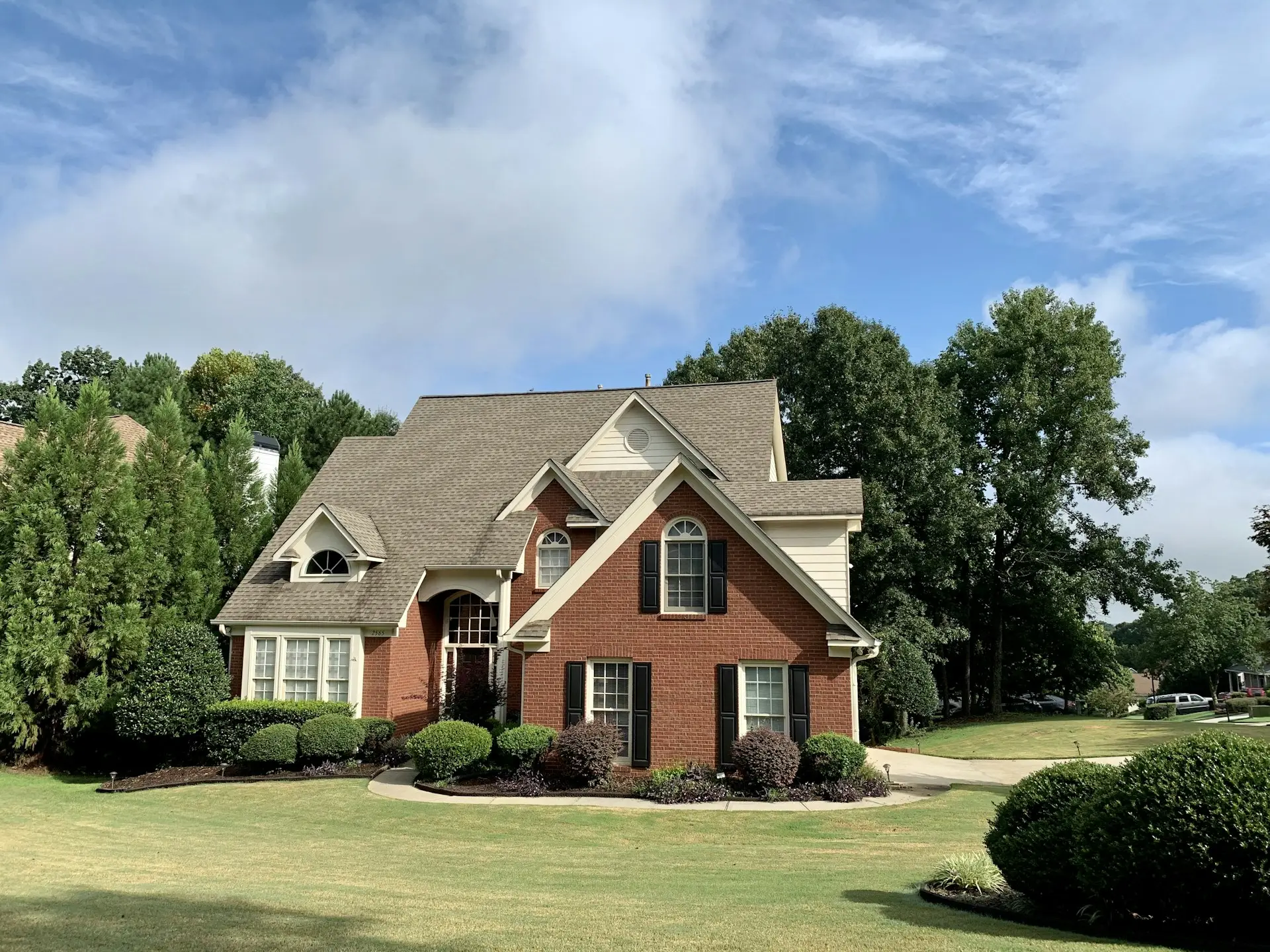
The Best Commuter Towns in NJ for 2026
The best commuter towns in NJ for 2026 are Maplewood, Summit, Cranford, Westfield, and South Orange — all with one-seat or near-one-seat NJ Transit rides to Manhattan and strong downtowns. The full ranking below covers all 22 NJ commuter towns by budget, from under $600K to $1.5M+, with train line, commute time, and median price for each.
Why Budget Matters More Than Rankings
I'm not going to tell you what you want to hear. Most "best NJ commuter towns" lists are written by people who have never walked a buyer through 40 houses in 40 weekends. They rank Summit, Westfield, Millburn, Montclair. Those are great towns. They are also irrelevant if your budget is $450K.
This guide organizes towns into four budget tiers. You skip straight to the towns where your money actually buys something. Each town gets train access, school quality, lifestyle notes, and who it fits.
The tiers are built on real median prices buyers are seeing right now. Prices move around 8-10% a year in the best commuter towns, so treat every number as a range. Anyone quoting you a precise median is guessing and rounding.
One note on geography. This guide covers the six counties I work in every week: Essex, Union, Morris, Middlesex, Hudson, and Somerset. Bergen and Passaic have good commuter towns too. I just don't sell in them, so I'm not going to pretend I know the block-by-block story there.
A quick calibration on train times. NJ Transit publishes timetables. Use those, not the "approximately X minutes" you'll hear at an open house. The verified 2026 Midtown Direct schedule: Maplewood ~30 minutes, Millburn 35, Short Hills 37, Summit 44, Chatham 52, Madison 55, Morristown 60, Dover 80. Northeast Corridor: Newark Penn 18, Elizabeth 25, Metropark 38. Monthly peak passes run roughly $400-$450 depending on zone. One-way peak is $16-$20.
Every commuter thinks they want Midtown Direct. Half end up in Cranford because the math works better and nobody brags about the Raritan Valley transfer.
Quick Comparison: 22 NJ Commuter Towns by Budget
| Town | Budget Tier | Median Price | Commute to Penn | Train Line | Schools |
|---|---|---|---|---|---|
| UNDER $500K: Affordable Entry | |||||
| Cranford | Entry | $700-750K* | ~50-60 min | Raritan Valley | Very Good |
| Rahway | Budget | $375-475K | ~45-55 min | NE Corridor | Average |
| Linden | Budget | $400-475K | ~50-60 min | NE Corridor | Average |
| Bloomfield | Budget | $425-525K | ~55-65 min | Montclair-Boonton | Avg-Good |
| Nutley | Budget | $450-540K | ~55 min (bus) | Bus to NYC | Good |
| $500K-$850K: Value Plays | |||||
| Maplewood | Value | $750-850K | ~30 min | Midtown Direct | Very Good |
| South Orange | Value | $750-850K | ~34 min | Midtown Direct | Very Good |
| Fanwood | Value | $550-650K | ~55 min | Raritan Valley | Very Good |
| Metuchen | Value | $600-725K | ~45 min | NE Corridor | Very Good |
| $850K-$1.1M: Mid-Market Sweet Spot | |||||
| Montclair | Mid | $850K-$1.0M | ~35-45 min | Midtown Direct | Very Good |
| Chatham | Mid | $1.0-1.1M | ~52 min | Midtown Direct | Excellent |
| Glen Ridge | Mid | $850-950K | ~45 min | Midtown Direct adj. | Excellent |
| Madison | Mid | ~$950K | ~55 min | Midtown Direct | Very Good |
| $1.1M-$1.5M: Premium Tier | |||||
| Westfield | Premium | ~$1.2M | ~55 min | Raritan Valley | Excellent |
| Summit | Premium | $1.3-1.5M | ~44 min | Midtown Direct | Excellent |
| Ridgewood | Premium | $1.1-1.3M | ~55 min | Bergen Line | Excellent |
| $1.5M+: Luxury Tier | |||||
| Short Hills | Luxury | $1.5-1.8M | ~37 min | Midtown Direct | Best in NJ |
| Princeton | Luxury | $1.5-2.0M | ~75 min | Dinky + NE Corridor | Elite |
| Basking Ridge | Luxury | $950K-1.5M | ~55 min | Gladstone Branch | Excellent |
*Cranford starter condos/Capes dip below $500K. Prices and commute times as of April 2026. Commute to Penn Station NYC via NJ Transit peak weekday service.
If you're ready to buy in a commuter town, I help NYC transplants and returning NJ natives find the right balance between commute, budget, and schools — without the usual realtor pressure tactics.
Already own in a Midtown Direct town and thinking about selling? Here's how we position commuter-friendly homes to capture the NYC buyer pool using AI-powered targeting you won't find with other agents.
Under $500K: Affordable Entry Into NJ Commuter Life
Real towns with real train service where a first-time buyer or young family can get started.
Cranford
Cranford is the honest answer to a question most buyers don't want to ask: what if Summit is not worth it? The downtown is walkable, anchored on the Rahway River, and the town has one of the stronger Union County school systems without Summit pricing. The Raritan Valley Line requires a transfer at Newark for most off-peak trips. That transfer is eight extra minutes and a $200K price cut. You do the math.
Entry-level condos and Cape Cods still sit under $500K. Everything else has pushed up around 8-10% a year since 2023.
Best for: First-time buyers and young couples who want a walkable downtown without a seven-figure household income.
Rahway
Rahway sits on the Northeast Corridor, the fastest and most frequent NJ Transit line. Direct service to Penn Station lands around 45-55 minutes. The downtown has had a real decade-long revitalization. Restaurants, a performing arts center, brewery-anchored blocks. Home prices stay among the most affordable in Union County. The school system is average, which is the trade-off buyers here are consciously making.
Best for: Budget-conscious commuters who prioritize a fast, frequent train and do not need top-tier schools. Also popular with investors and young professionals.
Linden
Linden is honest about what it is. Working-class town, Northeast Corridor access, solid homes on decent lots. Nobody is putting Linden on a glossy "best of" list. That is exactly why the math works. You can buy a single-family house here for under $500K and ride the train to midtown. Rahway and Cranford are a short drive for anything Linden does not have.
Best for: Buyers on a strict budget who need train access and are willing to trade school rankings and downtown charm for affordability and space.
Bloomfield
Bloomfield borders Montclair and Glen Ridge. It costs a fraction of either. The Bloomfield Avenue corridor has a legitimate food and retail scene, and the town catches a steady overflow of NYC transplants priced out of Montclair. Train service runs on the Montclair-Boonton Line, which is less frequent than the Midtown Direct main line. Plenty of Bloomfield commuters drive ten minutes to Montclair or South Orange for a faster, more reliable ride.
Best for: Buyers who want Essex County proximity and culture without Essex County premium pricing. Particularly popular with young families and creative professionals.
Nutley
Nutley has no train station. That is the trade-off, stated plainly. Commuters bus to Newark or Hoboken and transfer. What Nutley does have is rare at this price point: genuinely good schools, safe blocks, and well-maintained homes on tree-lined streets. For hybrid workers commuting two or three days a week, Nutley is the best value in Essex County. For a daily 5-day rider, it is a grind.
Best for: Families who want good schools in Essex County at an accessible price and can tolerate a bus-to-train commute. Ideal for hybrid workers who commute 2-3 days per week.
Highland Park
Highland Park is a small, progressive borough across the Raritan River from New Brunswick. You walk or drive to the New Brunswick station on the Northeast Corridor. The town has a liberal, community-minded feel, a walkable downtown, independent shops, and good elementary schools. Homes are smaller and older. The dollar-per-square-foot math is some of the best in the region.
Best for: Buyers who want a tight-knit, walkable community at an affordable price and are willing to accept a slightly longer commute from Middlesex County.
Metuchen
Metuchen calls itself "the brainy borough" and it earns the nickname. Real walkable downtown. Independent restaurants and shops. Northeast Corridor station right in the middle of town. A community that actually funds its schools and arts programming. Prices have climbed, but smaller homes and condos still land under $500K. Commute to Penn Station is about 50 minutes with no transfer required.
Best for: Buyers who value a smart, walkable downtown and want direct Northeast Corridor service at a Middlesex County price point.
Not Sure Which Town Fits Your Budget?
I know the real numbers in every one of these towns. Not the Zillow estimates. What homes actually sell for after the inspection, after the concessions, after the second-chance offers. Call for an honest conversation about where your budget goes furthest. No pressure.
$500K-$750K: The Sweet Spot for Commuter Families
Strong schools, good train access, and real suburban living — this is where most NYC commuter families land.
Maplewood
Maplewood is the town Brooklyn transplants keep choosing. The 30-minute Midtown Direct ride is the shortest of any real suburban town on the line. Add the walkable village, a culturally engaged community, and early-1900s Colonials with original woodwork, and the demand math explains itself. The median for a three-bedroom Colonial has pushed into the $750K-$850K range. Appreciation here has averaged around 8-10% annually for three years.
Best for: Buyers leaving Brooklyn or the Upper West Side who want to keep that urban energy in a suburban setting. Sellers in Maplewood benefit from a deep, replenishing buyer pool that does not go quiet.
South Orange
South Orange is Maplewood's neighbor and co-anchor of the Midtown Direct corridor's most affordable section. The village center sits right at the train station, which matters on a rainy Monday morning. Seton Hall University adds cultural programming and a college-town rhythm. The housing stock leans Victorian and Colonial with character that new construction cannot replicate. Prices trail Maplewood by a small margin, which makes this the single most affordable Midtown Direct express stop.
Best for: Budget-conscious Midtown Direct buyers who want express service under 40 minutes and a progressive, walkable community.
Montclair
Montclair is the cultural capital of suburban NJ. Restaurants, galleries, independent theaters, a food scene that rivals most small cities. It is not on the Midtown Direct, which keeps it slightly more accessible than Summit or Millburn on price. The Montclair-Boonton Line runs less frequently than the main line, so check the schedule before you fall in love with a specific house. Entry-level homes and condos dip below $750K. Family homes run $850K to $1.1M depending on the neighborhood.
Best for: Buyers who prioritize culture, restaurants, and walkability and are willing to accept a longer train ride for a more interesting daily life. Sellers here attract a deep pool of Brooklyn and Manhattan transplants.
Scotch Plains
Scotch Plains has no train station. Commuters drive to Fanwood or Westfield. In exchange, you get more house for your money than either of those towns will ever offer: bigger lots, more spread-out homes, a genuine suburban feel instead of the downtown-centric pattern. Schools are shared with Fanwood and are well-regarded. This is a town for buyers who want square footage, not walkability.
Best for: Families who want big lots, good schools, and proximity to train towns without paying train-town prices. Ideal if you drive to the station anyway.
Fanwood
Fanwood is a tiny borough. Less than one square mile with its own Raritan Valley Line station. It is the cheapest walkable-to-train town in Union County that still has a real school system. The downtown is small but it functions. The Scotch Plains-Fanwood district is genuinely well-regarded. Fanwood is where dual-income families land when they want the convenience of walking to a train without taking on a Summit mortgage.
Best for: Budget-conscious families who want their own train station, good schools, and a quiet community feel without the price tag of Westfield or Summit.
Madison
Madison's lower end dips into this tier if you're willing to start with a condo, townhouse, or smaller single-family home. What you get is Midtown Direct service, one of the best small-town Main Streets in the state, and a community that actually shows up for local events. Drew University and Fairleigh Dickinson add academic depth. If you find a starter home under $750K here in 2026, move fast. They sit on market for about 12 days.
Best for: Buyers who want Midtown Direct access and a walkable downtown and are willing to start with a smaller home to get into the town.
$750K-$1M: Premium Commuter Towns With Top Schools
The towns most NYC families dream about — excellent schools, great downtowns, and strong train access.
Westfield
Westfield has one of the most complete downtowns in New Jersey. Real shopping, real restaurants, a community calendar that fills every weekend, and housing stock that ranges from charming Colonials to stately Victorians. Schools are top-tier. The trade-off is the Raritan Valley transfer at Newark. Eight extra minutes each way, every day. For a lot of Westfield buyers, the town is so well-rounded that those minutes stop mattering after month two.
Best for: Families who want the "classic NJ suburban town" experience with excellent schools and a vibrant downtown. Sellers in Westfield enjoy deep, consistent demand.
Chatham
Chatham is the rare town that stacks Midtown Direct service and a top-five NJ school district at the same price point. The Borough has a walkable downtown centered on the station. The Township has larger lots and more land. Same school system, different lifestyles. If your non-negotiables are top schools and a direct train to Penn Station, Chatham is the best balance of those two variables in the state.
Best for: School-focused families who also need Midtown Direct access. Sellers benefit from Chatham's reputation driving strong, consistent buyer demand from young families.
Summit (Entry Level)
Summit's entry point sits in this tier if you start with a condo, townhome, or smaller single-family. For that price, you get arguably the best all-around commuter town in the state: a 44-minute Midtown Direct express, a walkable downtown that actually stays open on weekends, excellent schools, and a community that works for young professionals and established families alike. Summit condos in the $700K-$850K range are some of the sturdiest resale bets on the entire Midtown Direct line.
Best for: Buyers who want the full Summit experience but are starting with a smaller home or condo. The resale value on Summit entry-level properties is exceptionally strong.
Livingston
Livingston has no train station. That is the trade-off, full stop. The school district is excellent, homes are large and well-maintained, and lots are generous by NJ standards. Prices sit well below neighboring Millburn or Short Hills. Most Livingston commuters drive 10-15 minutes to South Orange, Millburn, or Short Hills and park. For families who value schools and space more than they value walking to a platform, Livingston punches above its weight.
Best for: Families who want top schools and big homes in Essex County and do not mind driving to the train. Sellers benefit from overflow demand from buyers priced out of Millburn.
Berkeley Heights
Berkeley Heights is an overlooked Union County option. It shares the Murray Hill station with New Providence, putting it on the Midtown Direct corridor with local service. The town has a more suburban, spread-out feel than Summit or Chatham. Bigger lots, more green space, fewer honking horns. Governor Livingston Regional High School is well-regarded. Prices run 15 to 25 percent below Summit for a comparable square-footage home.
Best for: Value-conscious buyers who want to be near the Midtown Direct corridor with good schools but do not need a walkable downtown. Sellers benefit from being the affordable alternative to Summit.
For Sellers: Why Commuter Demand Protects Your Home Value
If you own a home in any of the towns on this page, you own real estate that is structurally supported by NYC commuter demand. That matters more than most sellers realize.
Commuter demand creates a price floor. When the market softens, and it always does eventually, towns with reliable train access to Manhattan hold value better than towns without it. That was true in 2008-2012 and again during COVID. The reason is simple. As long as people work in NYC and want more space, your home has a built-in buyer pool that never fully disappears.
Remote work did not kill the commute. It shifted it. The post-COVID pattern is clear. Most NYC employers now require 2-4 days in the office. That has actually expanded the commuter buyer pool, because people who would not tolerate 5 days are willing to do 2 or 3. Towns like Morristown, Madison, and Montclair, with slightly longer commutes but strong daily lifestyle, have benefited the most from this shift.
Pricing correctly is everything. Commuter demand gives you a floor. Only correct pricing gives you a ceiling. I've watched sellers overprice by $50K and give back three months of market time. Three months of carrying costs, property taxes, and negotiating leverage. That $50K decision ends up costing them $80K. I use AI-powered buyer targeting to put listings in front of active commuter-buyers, but the marketing only works when the price is honest.
Over $1M: Premier NJ Commuter Towns
The best schools, the fastest commutes, and the finest housing stock in New Jersey.
Summit
At $1M+, Summit opens up: larger Colonials, renovated homes near the downtown, estates in the Woodland Avenue and Druid Hill neighborhoods. This is where Summit actually earns its price tag. A 44-minute Midtown Direct express, a downtown that stays busy on weekends, and top schools at a number below Short Hills. For buyers who can spend $1.3M-$1.6M, Summit is the best overall value among premium NJ commuter towns.
Best for: Established families who want the complete package — commute, schools, downtown, community — at a price that is premium but not extreme. Sellers at this price point benefit from Summit being the aspirational town for buyers moving up from Cranford, Chatham, and Westfield.
Millburn / Short Hills
Millburn Township, including the Short Hills section, is the flagship commuter address in New Jersey. The school district is consistently ranked number one in the state. The commute is the shortest on the Midtown Direct line. The 37-minute Short Hills commute is the most expensive 37 minutes in America. Short Hills is the prestige section with larger homes and higher prices. Millburn's downtown offers walkability and a slightly lower entry point. This is where NJ's highest earners settle, and the real estate reflects it.
Two honest cautions. First, I've watched clients pay Short Hills prices for a house where the bedroom windows face the parkway. The commute on paper isn't the same as the commute in practice. Second, not every Short Hills address gets the schools people think they're buying. Check the district map before you write the offer.
Best for: Buyers who have the budget and want the best schools, the fastest commute, and the strongest long-term property values in NJ. Sellers in Short Hills access a global buyer pool. International families relocate here specifically for the schools.
Harding Township
Harding is NJ's horse country. A rural, estate-like community where minimum lot sizes start at three acres and properties regularly sit on 5-10+ acres. No train station. No downtown. That is by design. Harding buyers want privacy, land, and quiet. They drive to the Madison or Convent Station Midtown Direct stops. This town is for buyers who already know they want space above everything else and have the budget to support it.
Best for: Buyers who want a country estate within commuting distance of Manhattan. Not for everyone, but for the right buyer, there is nothing like it in northern NJ.
Mendham
Mendham, including both the Borough and the Township, is one of Morris County's most prestigious addresses. The Borough has a small, New England-style village center. The Township spreads out with larger lots and equestrian properties. The West Morris school district is highly rated. Like Harding, Mendham requires driving to a Midtown Direct station. It rewards you with a quality of life that is more country than suburb.
Best for: Families who want top schools, space, and a prestigious Morris County address and do not mind a car-to-train commute. Sellers in Mendham attract buyers who have outgrown Chatham and Madison and want more land.
How to Choose: A Framework for Deciding
Dozens of NJ commuter towns. Here is how I'd narrow the list if we were sitting at my kitchen table.
Step 1: Set your actual budget. Get pre-approved before you visit a single town. Know your number. Then focus on the tier that matches. Don't fall in love with a $1.3M town if your number is $700K. That's how people waste six months.
Step 2: Decide how much commute you can tolerate. There's a real difference between 30 minutes on a Midtown Direct from Maplewood and 70 minutes on the Raritan Valley from Westfield. Be honest about how many days you'll commute. Hybrid at 2-3 days gives you permission to accept a longer ride. Five days a week, don't lie to yourself.
Step 3: Rank your priorities. Schools, downtown walkability, lot size, diversity, commute time, train station proximity. You can't maximize all six at the same price. Pick your top two non-negotiables and let those guide the shortlist.
Step 4: Visit on a weekday. Open-house Saturdays are theater. See the town when it's actually functioning. Take the rush-hour train both directions. Walk the downtown at lunchtime. Drive the neighborhoods at 8 AM. A town feels different on a Tuesday than it does on a sunny Saturday, and the Tuesday version is the one you'll live in.
Step 5: Talk to a local agent. Online research gets you started. It does not replace someone who writes offers in these towns every week. I serve 138 communities across six NJ counties and I'll walk you through the trade-offs honestly. Call 908-230-7844 for an honest conversation. No pressure.
Frequently Asked Questions: NJ Suburbs for NYC Commuters
What's the fastest NJ train to NYC Penn Station?
Newark Penn hits Penn Station in about 18 minutes, and Elizabeth runs about 25. Those are urban, not suburban. For actual commuter towns, the Midtown Direct line is fastest: Maplewood (~30 min), Millburn (35), Short Hills (37), Summit (44). On the Northeast Corridor, Metropark is about 38 minutes with no transfer. Those numbers are from the NJ Transit published timetable. Use those, not the "approximately X minutes" you'll hear at an open house.
Which NJ town has the best schools AND shortest commute?
Short Hills (Millburn Township) is the answer on paper. Top-ranked NJ school district paired with a 37-minute Midtown Direct commute. The median is roughly $1.5M-$1.8M, which is the price of the combination. Chatham is the best value alternative: excellent schools, 52-minute Midtown Direct express, median around $1M-$1.2M. Summit splits the difference with a 44-minute commute and a $1.3M-$1.5M median.
Is the Raritan Valley Line worth the Newark transfer?
For most buyers, yes. The transfer at Newark is eight extra minutes each way. In exchange, towns on the Raritan Valley Line — Cranford, Westfield, Fanwood — price roughly $200K-$400K below comparable Midtown Direct towns. For hybrid commuters at 2-3 days in the office, that's a straightforward trade. Five-day-a-week riders should be honest about whether they actually want an extra 80 minutes of transferring per week for the next decade.
What's the cheapest NJ commuter town near NYC?
Rahway ($375K-$475K median) and Linden ($400K-$475K) are the cheapest towns with direct Northeast Corridor service to Penn Station — under an hour, no transfer. Bloomfield ($425K-$525K) on the Montclair-Boonton Line is comparable. The trade-off at this price point is school quality, not commute access. If you want strong schools at a low price, Fanwood and Cranford are the next step up.
How much does NJ Transit peak monthly pass cost in 2026?
A peak monthly pass runs roughly $400-$450 depending on zone. One-way peak tickets are $16-$20. Off-peak and weekend fares are lower. Over a year, that's $5,000-$5,400 before parking or PATH connections. Factor it into your total housing math alongside mortgage, taxes, and insurance. It's a real line item, not a rounding error.
Which NJ towns are on the Midtown Direct line?
Running west to east: Dover, Denville, Morristown, Madison, Chatham, Summit, Short Hills, Millburn, Maplewood, South Orange, Newark Broad Street, then Penn Station. The Gladstone Branch joins at Summit and serves Berkeley Heights, New Providence, and Gladstone, but runs less frequently than the main line and many trains terminate at Summit. Check the schedule before you write an offer in a Gladstone Branch town.
Can I commute from Summit to NYC in under an hour?
Train time is about 44 minutes on the Midtown Direct express. Door-to-desk is typically 60-75 minutes depending on where you live in Summit and where your office sits in Manhattan. If you're walking to the train and your office is within a ten-minute walk of Penn Station, you're comfortably under an hour. If you're driving to the station or commuting to the east side of Manhattan, budget more.
What's the difference between Midtown Direct and Gladstone Branch?
Midtown Direct is the main line: frequent peak and off-peak trains running from Dover to Penn Station. Gladstone Branch is a secondary spur joining the main line at Summit. It serves Berkeley Heights, New Providence, and Gladstone. It runs less frequently, and many peak Gladstone trains terminate at Summit, requiring a transfer to continue into Manhattan. That matters if you miss a train — the gap to the next one is longer on the Gladstone Branch.
Are NJ commuter towns appreciating in 2026?
Yes. The premium commuter towns — Summit, Chatham, Millburn/Short Hills, Westfield, Maplewood — have been appreciating around 8-10% annually over the last three years. Inventory is still tight and bidding wars are common on well-priced listings. Appreciation has moderated from the 2021-2022 peaks but remains above the long-term NJ average. Mid-tier towns like Cranford, South Orange, and Madison are running in a similar range.
Should I buy NJ vs Westchester NY suburbs?
Both have strong commuter towns and excellent schools. The real differences are commute geography and tax structure. NJ Midtown Direct delivers a one-seat ride to Penn Station — best if your office is west side or midtown-west. Westchester's Metro-North goes to Grand Central — best for east side or midtown-east offices. Taxes differ by town in both states, so compare the specific address you're considering, not the state averages. Price per square foot is roughly comparable at the premium tier. If you want help modeling the trade for a specific office location, call 908-230-7844.
If you are relocating from the city, the step-by-step moving from NYC to NJ guide walks through taxes, renting vs buying, and timing.
Affordable NYC Commuter Towns in NJ
The most affordable NYC commuter towns in NJ on this list are Rahway, Linden, Bloomfield, Nutley, and Highland Park — all with medians well under the state's commuter-town average and real train options. Rahway and Linden sit directly on the Northeast Corridor; Bloomfield rides the Montclair-Boonton line. These are the towns where a first-time budget still buys a single-family home with a sane commute.
NJ Suburbs of NYC: Which Type Fits You
The NJ suburbs of NYC break into three types: one-seat Midtown Direct towns (Maplewood, South Orange, Summit, Chatham, Madison) where you pay a premium for the 30–45 minute ride; Northeast Corridor value towns (Rahway, Linden, Metuchen, Edison) with fast trains and lower prices; and transfer towns on the Raritan Valley Line (Cranford, Westfield, Fanwood) that trade an 8–12 minute Newark transfer for the best downtowns per dollar. Pick the type first — then the town gets much easier.
Ready to Find Your NJ Commuter Town?
I've helped a lot of NYC commuters find the right NJ town for their budget and lifestyle, and I've helped NJ homeowners sell to those same commuters. The conversation starts with the numbers. Call for an honest one. No pressure.
Jorge Ramirez | Keller Williams Premier Properties | 488 Springfield Ave, Summit, NJ 07901 | NJ License #1754604