Six Simple Ways to Quiet a NJ Home Before Buyers Walk Through
House Outlook’s roundup this week includes six simple ways to reduce noise in a home without compromising its look. In New Jersey that is a selling question, not a decorating one. A lot of our best towns sit on a train line or a county road, and the quiet buyer standing in your living room is listening harder than you think.

Stock photograph used for illustration; not a client property
The tip House Outlook sent this week
Tucked into this week’s House Outlook newsletter, below the food storage stories, was a Southern Living roundup on six simple ways to reduce noise in a home without compromising its overall look. What caught my attention is how directly that list applies to a house about to go on the market.
Westfield, Cranford, Summit, Chatham and Morristown are great commuter towns because the train is close. The same train runs past the back fence of a lot of listings. Scotch Plains and Union have homes a block off Route 22. Hoboken and Jersey City sell on walkability, and walkability is loud. Elizabeth has the Turnpike and the airport approach. None of that is a secret. But how the house handles sound is something a seller controls.
Why a showing is the quietest moment the house will ever have
Buyers walk into a room they have never seen, stop talking and look around. In that silence a hard-floored, half-emptied room echoes, and every sound from outside arrives undiluted. I have watched buyers in Summit go still at a window as a train went by, then tour three more rooms thinking about it. The train was not the problem. The empty front room that amplified it was.
The goal is not to hide the location. Buyers will find out, and they should. The goal is to show the house at its real, livable sound level, which is usually better than the bare-room version.
Six simple ways to quiet the house before showings
- Put rugs back on the hard floors. Sellers strip rugs to show off hardwood, then wonder why the room rings. A rug with a proper pad under it is the single biggest change you can make, and it photographs well.
- Hang lined curtains and leave them open. A lined panel on each side of the window absorbs sound even when it is pulled back for light. Bare windows on the street side are the loudest wall in the house.
- Seal the exterior doors. New weatherstripping and a door sweep cut street noise and drafts at the same time. If you can see daylight around a door, you can hear the road through it.
- Caulk around the window frames. Sound comes through gaps before it comes through glass. A tube of caulk on the inside trim of the street-facing windows is an afternoon’s work.
- Put the furniture on the loud wall. A full bookcase or an upholstered sofa against the wall that faces the road is a sound buffer that looks like staging.
- Fix the house’s own noises. A rattling vent cover, a ticking radiator, a squeaking hinge and a loose cabinet door are the sounds buyers blame on the house, not the street. Those are a screwdriver and a can of lubricant.
Jorge’s tip: Do not run a white noise machine or background music during showings. Buyers notice, and the serious ones come back on a weekday evening when the house is quiet anyway. Let the house be heard at its best honest level. If you also have a draft problem, the drafts and insulation guide covers the sealing work that solves both at once.
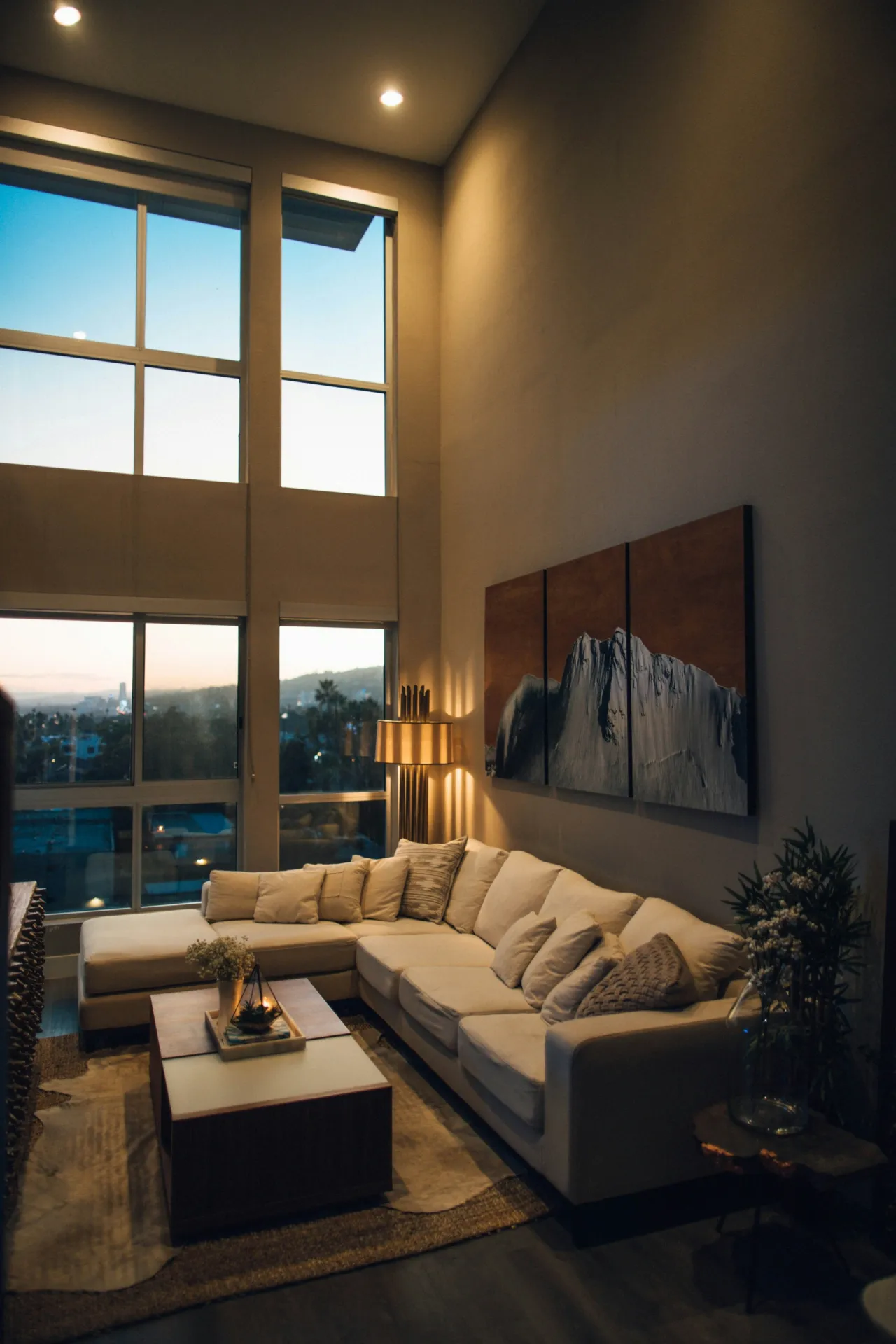
Stock photograph used for illustration; not a client property
What this means for price and disclosure
Buyers in Cranford and Westfield know where the tracks are, so price for the street you are on. What you can do is make sure the house is not adding to it: a rattling window sash, a hollow front door or a bare echoing room makes a normal commuter-town sound level feel like a problem. Sort the house’s own noises the same way you sort the rest of pre-listing work. The house sounds guide separates the noises that are cosmetic from the ones that belong on a seller’s disclosure.
For buyers: visit twice, and once at rush hour
If you are touring in Chatham, Morristown, Hoboken or Edison, go back at 5:30 on a weekday. Stand in the bedroom you would sleep in with the door closed. Open a window on the street side and then close it; the difference tells you how much the glass is doing. Ask whether the windows are double-pane and when they were replaced. Check that the soft furnishings you are hearing through will leave with the seller, because a staged rug and lined curtains come out at closing and the room gets louder. Put all of it in your inspection questions and in the offer, not in a surprise the first Monday morning after you move in.
Where this fits in listing prep
Quiet is cheap to add and expensive to fake. Related guides:
- The best NJ suburbs for NYC commuters
- Fixing window screen tears before listing
- Staging a home office for remote-work buyers
- Cozy home staging for NJ sellers
Selling a NJ home near the train or the highway?
Jorge walks the house with you before the photographer comes and sorts the sound problems you can fix from the location facts you price for, so the first thing a buyer remembers is the house.
Book a Pre-Listing WalkthroughSeller ResourcesQuestions about noise, showings and selling a NJ home
Does a home near train tracks or a highway sell for less in New Jersey?
Buyers in commuter towns expect train noise and price it in; it is part of why the town works. In my experience the sale suffers more when the house itself amplifies the noise, through bare echoing rooms, loose windows or a hollow front door, than from the location alone. Fix what the house adds, show it honestly and price for the street you are on.
What is the cheapest way to reduce noise in a house before showings?
Rugs with pads on hard floors, lined curtains left open, and new weatherstripping and a sweep on the exterior doors. Those three cost little, take a weekend and change how a front room sounds more than anything else short of replacing windows.
Should I play music or run a white noise machine during showings?
No. Buyers notice it, and it tells them you are covering something. Serious buyers return on a weekday evening when the house is quiet anyway. Show the house at its real sound level with the house’s own rattles and squeaks fixed.
Do I have to disclose road or train noise when selling a NJ home?
Outside noise from a road or a rail line is a location fact buyers can observe for themselves, not a hidden defect in the house. Known problems with the house itself, such as a window that no longer seals or a mechanical noise from the furnace, are a different question. Ask your agent and attorney what belongs on the disclosure for your property.
How should a buyer check noise before making an offer?
Visit a second time on a weekday around 5:30, stand in the main bedroom with the door closed, and open and close a street-side window to hear how much the glass is doing. Ask the age and type of the windows, and remember that staged rugs and curtains leave with the seller. Bring anything you hear to the inspection and the offer.
Sources reviewed October 6, 2026, including the Southern Living roundup on reducing noise at home featured in House Outlook’s newsletter. Suggestions are general guidance drawn from Jorge’s experience; outside noise levels vary by property, and disclosure questions should be confirmed with your agent and attorney.