Lease and occupancy file
Collect every current lease and amendment, occupant and unit information, deposits, rent ledger, notices, access terms, management agreement, assistance documents when applicable, and open disputes or maintenance matters.
New Jersey rental-property sale · occupied or vacant planning
A rental property is both real estate and an operating file. Before selecting an occupied or vacant marketing path, organize the lease, occupancy, deposits, notices, access, condition, disclosures, income and expense records, title contacts, comparable sales, and tax questions.
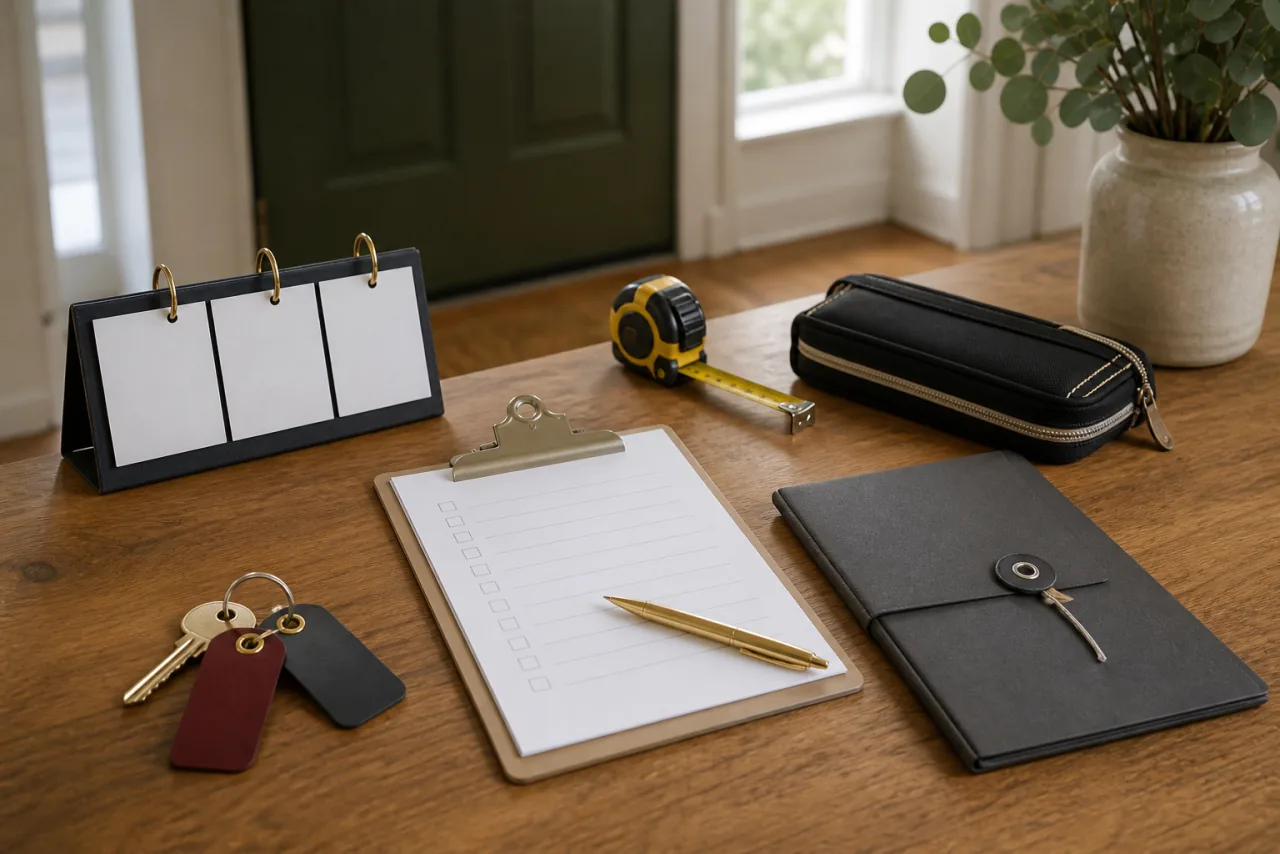
Start with the property
Jorge can coordinate real-estate pricing and marketing. Attorneys, tax advisers, title professionals, property managers, and other qualified specialists address the rules and calculations within their scopes.
Collect every current lease and amendment, occupant and unit information, deposits, rent ledger, notices, access terms, management agreement, assistance documents when applicable, and open disputes or maintenance matters.
Verify unit configuration, legal use, registrations, inspections, permits, utilities, systems, condition, capital work, service agreements, income and expense records, and known material information.
Review current comparable evidence and buyer paths while a tax professional addresses basis, depreciation, gain, entity, installment, exchange, and state or federal reporting questions.
Working plan
The same property may present differently to an owner-occupant or investment buyer, but marketing must remain accurate and access must follow applicable agreements and professional guidance.
Confirm occupants, lease terms, deposits, notices, rent ledger, access, management, open matters, and the professionals advising on landlord-tenant questions.
Review unit count and use, condition, systems, permits, registrations, disclosures, flood and lead questions, expenses, service contracts, and property-specific comparable sales.
Compare occupied and vacant timing, buyer audience based on lawful property-use criteria, access, records available, preparation, seller priorities, and professional advice.
Track written offers, contingencies, dates, access, tenant communications by authorized parties, deposits and records for closing, title, tax, possession, and management transition.
Prepare the evidence
Managing the home from another location? The absentee-owner rental-sale checklist adds a practical record and coordination sequence.
Organize records before sharing them and use secure methods for personal or financial information. An attorney or property manager can advise what may be disclosed and how notices should be handled.
Compare the paths
Record each proposed price and cost scenario in the NJ seller net-proceeds worksheet before comparing the marketing options.
Do not assume a lease ends, a tenant leaves, or an occupied sale follows one universal procedure. Use the actual agreements, tenancy facts, property type, law, and counsel's advice.
Official-source notebook
Each source below answers a defined question. Open the original, check its current date and coverage, and keep legal or tax decisions with the appropriate professional.
New Jersey Department of Community Affairs
Use: Provides current state landlord-tenant publications, including Truth in Renting, flood notices, security-deposit information, and related forms.
Limit: The state publications are general information and do not decide how a lease, notice, protected tenancy, or dispute applies to one sale.
Internal Revenue Service
Use: Explains the federal framework for qualifying exchanges of real property held for business or investment and links to Form 8824 guidance.
Limit: Eligibility, sequencing, intermediaries, gain recognition, and deadlines are tax matters for a qualified tax adviser before a sale is structured.
Internal Revenue Service
Use: Explains federal concepts used to determine and report gain or loss on dispositions of property, including business and rental property.
Limit: The publication is not a property-specific tax calculation and state tax treatment may also apply.
New Jersey Department of Banking and Insurance
Use: Explains New Jersey brokerage relationships, written brokerage services agreements, the property condition disclosure statement, and negotiable broker compensation.
Limit: It is statewide regulatory guidance, not advice about a particular contract, title issue, property, or dispute.
New Jersey Division of Taxation
Use: Explains the current Realty Transfer Fee framework, forms, rates, exemptions, and the seller's statutory responsibility for the fee when it applies.
Limit: The amount and any exemption depend on the transaction and current law; a closing or tax professional should calculate the property-specific figure.
New Jersey Division of Consumer Affairs
Use: Shows the state's residential disclosure questions concerning occupancy, systems, defects, environmental conditions, flood risk, and other known property facts.
Limit: The form records the seller's knowledge and does not replace inspections, legal advice, or a property-specific review of disclosure duties.
New Jersey Department of Environmental Protection
Use: Explains New Jersey flood-risk notifications for real-estate sales and rentals and provides the state's address-level flood notification tool.
Limit: Flood maps and notices answer defined questions; they do not predict whether or when a property will flood or replace professional advice.
United States Environmental Protection Agency
Use: Explains the federal lead-based-paint disclosure process that generally applies before a buyer is obligated under a contract for most pre-1978 housing.
Limit: The federal page describes coverage and exceptions; property age and transaction facts should be checked with the appropriate professionals.
Source links reviewed August 26, 2026. Recheck live forms, rules, and transaction facts before acting.
Common questions
An occupied sale may be possible, but the lease, tenancy, access, notices, protected-tenancy questions, property type, and transaction facts matter. Review the actual file with a New Jersey attorney and use the state's landlord-tenant publications as general background.
Requests may include leases, amendments, deposits, rent ledger, unit and utility information, income and expenses, service contracts, registrations, inspections, permits, condition records, and capital work. Review privacy, accuracy, and disclosure procedures with the appropriate professionals before sharing.
That is a tax question. The IRS states that qualifying like-kind exchange treatment applies to certain real property held for business or investment and is subject to detailed rules. A qualified tax adviser should evaluate eligibility and sequencing before a transaction is structured.
Related seller paths
These maintained pages separate different seller decisions instead of treating every sale the same.
Property-specific next step
Share the property type, occupancy, county, lease status, and your intended timing without sending tenant personal data. Jorge can outline the real-estate analysis and identify legal, title, management, and tax questions.