Decluttering Small Spaces Before You Sell: 7 Pro Tricks for NJ Condo and Small-Home Sellers
Small homes have fewer surfaces to clean and a bigger clutter problem, because every item is in the frame. House Outlook’s roundup of organizer tricks for small spaces is the right starting point for anyone selling a condo in Hoboken or a two-bedroom in Cranford.
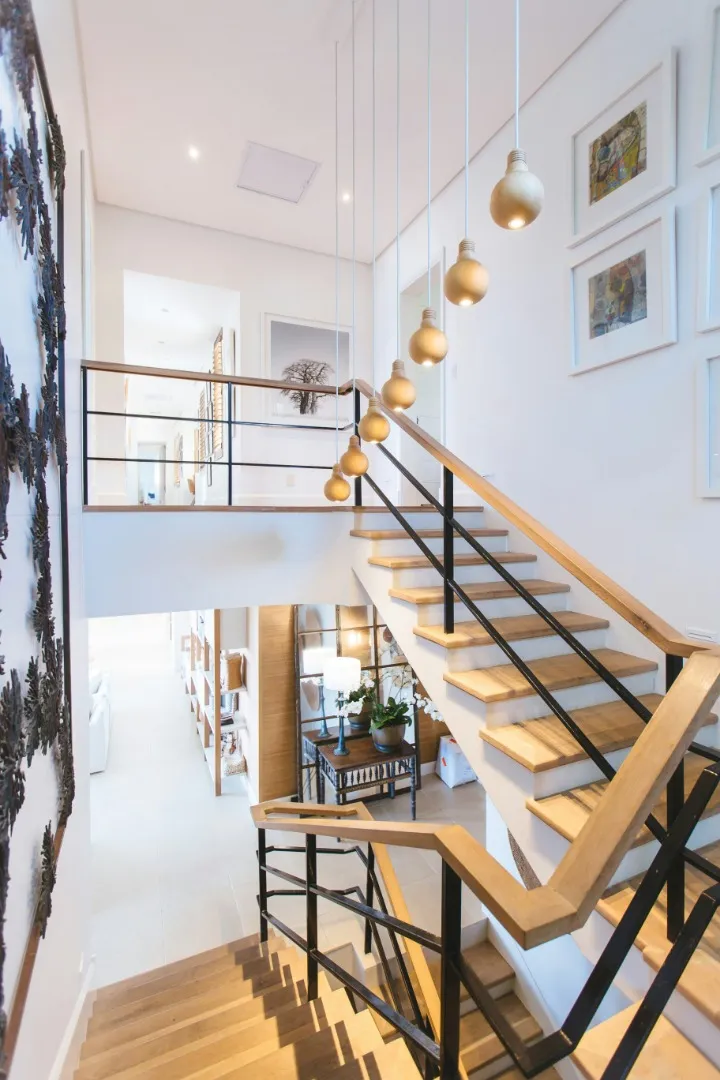
Stock photograph used for illustration; not a client property
Why small spaces are harder to sell cluttered
House Outlook’s premise is one I repeat to every condo seller: a small space means fewer surfaces to sweep and mop, and a far better chance that what is on those surfaces ends up in the photo. A 700-square-foot unit in Jersey City has no hallway closet to absorb the overflow. A Cape in Union or Roselle has bedrooms where the bed already takes half the floor. Whatever is left out is what a buyer sees, and what a buyer sees in a small home is translated directly into square footage. Clutter makes a small room read smaller, and buyers price square footage.
The flip side is the opportunity. A small home that has been edited well looks efficient, and efficient is exactly what a first-time buyer in Hoboken or a downsizer moving into a Summit or Morristown condo is shopping for. Here are the seven tricks that do the most work, adapted for a home that is about to be listed.
The seven tricks, seller’s edition
- Declutter by zone, not by room. In a studio or open-plan condo the rooms are not rooms. Define the sleeping zone, the eating zone and the working zone, then remove anything that belongs to a different zone. A laptop on the dining table tells buyers there is no room for an office.
- Go vertical, then stop. Tall bookcases and wall hooks pull storage off the floor and make ceilings look higher. The seller’s limit: keep the top third of any shelf mostly empty, or the wall reads as packed.
- Make every piece of furniture do two jobs. A storage ottoman, a bed with drawers, a bench with baskets. It hides what you use daily. Do not stuff them, because buyers open the ottoman the same way they open closets.
- Clear every surface to one object. Counter, nightstand, coffee table, vanity. One tray, one lamp or one plant each. The hide-in-plain-sight tricks handle what stays out.
- Build a drop zone at the door. Small homes have no mudroom, so shoes, bags and mail pile at the entry. One wall hook rail and one basket, nothing on the floor. The entryway guide covers the rest.
- Edit the closets to two-thirds full. In a condo the closets are the storage story. A packed closet confirms the buyer’s fear that the unit is too small. See the small-closet guide.
- Move a third of your things out. Not into the closets. Out of the home, to a relative’s basement, a storage unit or the building’s storage cage. This is the single biggest change a small-home seller can make.
Jorge’s tip: Measure before you move anything. Sellers in Hoboken and Jersey City often pull the sofa and the dining table thinking an empty room shows bigger. It does not. An empty small room has no scale, and buyers cannot tell whether a queen bed fits. Keep the right-sized furniture, remove everything else, and let the furniture prove the room works.
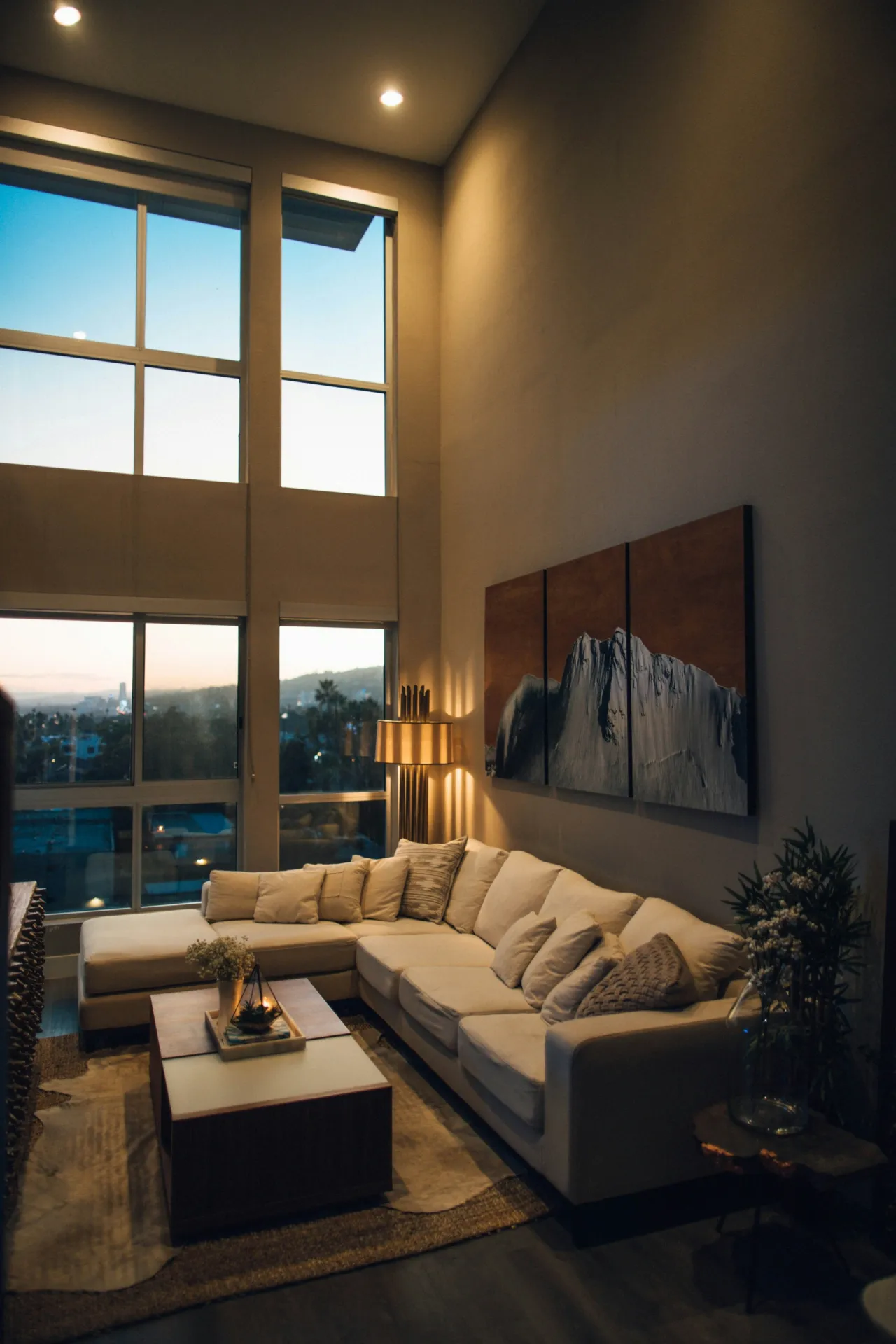
Stock photograph used for illustration; not a client property
The order that keeps you sane
Do the big move-out first, because it empties the space you need to sort the rest. Then the closets, then the surfaces, then the entry. Photos come after all four. If the listing goes live and you are still living there, a ten-minute daily reset keeps it holding, and the five things method is the fastest version I know. Sellers in Montclair and Maplewood with young kids tell me the daily reset is harder than the initial declutter, so build the drop zone and the lidded bins before the first showing, not after.
What not to do in a small home
Do not hide clutter in the oven, the dishwasher, the dryer or the bathtub. Buyers open all of them, and in a small unit they open them faster because there is less to look at. Do not block a window or a radiator with furniture to create wall space; in older Elizabeth and Bloomfield buildings the radiator is the heat, and a buyer’s inspector will want to see it. And do not paper over the building’s actual storage situation. If the unit has no deeded storage, say so, and show how the home works without it.
For buyers: measure the storage, not the staging
When you tour a condo in Edison, Woodbridge or Jersey City that has been edited this well, take it as a sign of a careful owner and then do your own math. Count the closets and measure them. Ask about building storage, bike rooms and whether the HOA allows a storage unit in the parking space. Open the ottoman. A well-staged small home shows you what is possible, and your job is to figure out whether your own life fits in it.
Where this fits in listing prep
Decluttering a small home is the first step before cleaning, repairs and photos. Related guides:
- 15 things to declutter before listing
- The clutter hot spots buyers notice first
- Selling a home in Hoboken
- Selling a home in Jersey City
Selling a condo or small home in NJ?
Jorge walks the unit room by room before photos and tells you what to move out, what to keep for scale and what buyers in your building will open first.
Book a Pre-Listing WalkthroughSeller ResourcesQuestions about decluttering a small NJ home before selling
How much should I remove from a small home before listing?
About a third of what you own, and it should leave the home rather than move into the closets. Keep the furniture that proves the rooms work at normal scale, keep closets around two-thirds full, and reduce every surface to one object.
Should I empty the rooms completely so they look bigger?
No. An empty small room has no sense of scale, and buyers cannot tell whether a bed or a sofa fits. Keep the right-sized pieces, remove the extras, and let the furniture show that the room functions.
Where do I put everything if I have no garage or basement?
A relative’s house, a short-term storage unit or the building’s storage cage. Avoid the oven, dishwasher, bathtub, dryer and ottoman, because buyers open all of them, and avoid blocking windows or radiators with furniture.
Does decluttering a condo change what it sells for?
It changes how big the unit reads in photos and showings, and buyers price square footage. It does not change the actual size or the building’s storage, both of which should be described accurately in the listing.
What should buyers check in a staged small home?
Count and measure the closets, ask about building storage and bike rooms, open the storage furniture and confirm the HOA rules on storage units. Good staging shows what is possible; your own measurements show whether your life fits.
Sources reviewed October 2, 2026, including House Outlook’s roundup of professional organizer tricks for decluttering small spaces. Staging and maintenance suggestions are general guidance drawn from Jorge’s experience; disclose known defects as your agent and attorney advise.