10 DIY Projects That Can Sink Your NJ Home’s Resale Value
House Outlook’s newsletter this week included a list of ten home projects that can sink your resale value when you do them yourself. I have seen most of them at New Jersey inspections. The pattern is always the same: the owner saved money on a Saturday and gave it back, with interest, at the buyer’s inspection or the town’s resale inspection.

Stock photograph used for illustration; not a client property
The tip House Outlook sent this week
This week’s House Outlook newsletter pointed to a piece on ten home projects that can sink your resale value, with the warning that tackling certain jobs yourself leads to less-than-stellar results or costly repairs later. True everywhere. In New Jersey there is a third cost the article did not cover, and it is the one that shows up at closing: the permit.
Why DIY work costs more in a New Jersey sale
Two reasons. First, buyers’ inspectors are trained to spot amateur work, and once they find one example they look harder at everything else in the house. Second, most New Jersey towns, Westfield, Cranford, Union and Woodbridge among them, require a resale inspection for a certificate of continued occupancy or at least a smoke and carbon monoxide certificate, and work done without a permit under the state’s Uniform Construction Code can surface there. Unpermitted work can mean open permits, retroactive inspections and, in the worst cases, opening finished walls to show the inspector what is behind them, all on the seller’s timeline, right before closing.
Ten projects to hand to a licensed pro
- Electrical beyond a fixture swap. New circuits, panel work, added outlets. Double-tapped breakers and reversed polarity are what inspectors find first; the electrical guide lists the rest.
- Plumbing inside walls. Moving a drain, re-piping a bath. A joint that weeps inside a wall becomes the hidden mold problem in this week’s mold guide.
- Structural changes. Removing a wall, notching a joist for a duct, opening a stairwell. A sagging floor or a crack above a removed wall is the first question a buyer asks.
- Decks and railings. The most common unpermitted structure I see in NJ. Ledger attachment and railing height are code items the resale inspector checks.
- Roofing and flashing. A patch around a chimney or skylight leaks into the attic, and the stain arrives on a bedroom ceiling two winters later.
- Tile in wet areas. Uneven tile, lippage and skipped waterproofing. It looks fine in photos and fails the buyer’s eye at the showing.
- Hardwood refinishing. Drum-sander gouges and blotchy stain cannot hide under a rug for long.
- Window and exterior door replacement. A badly flashed window leaks and sweats; the condensation guide explains what buyers read into that.
- Finished basements. Egress, ceiling height, insulation and a moisture barrier are all code items. A basement finished without a permit often cannot be marketed as finished space.
- Gas appliance connections. Ranges, dryers, water heaters. Gas work needs a licensed contractor and a leak test, and an inspector will ask who did it.
Jorge’s tip: Pull the permit history on your own house before you list. Your municipal construction office will give it to you, and buyers’ attorneys in Summit and Chatham increasingly ask for it during attorney review. If there is an open permit or a project that never had one, you want to know in October, not the week before closing.
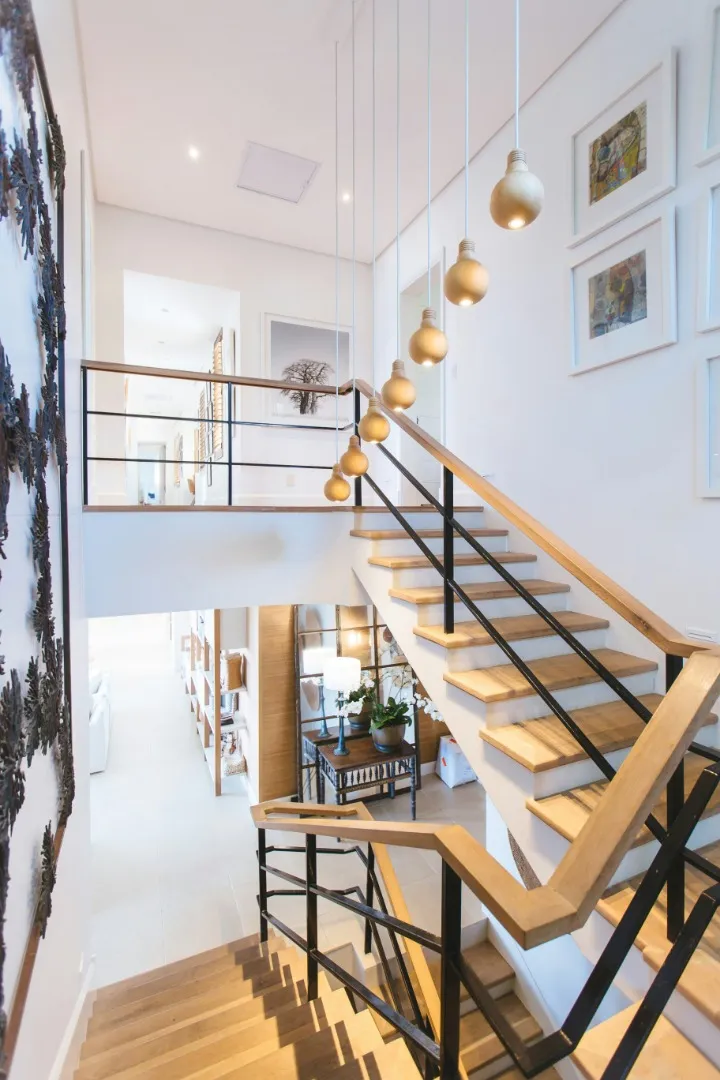
Stock photograph used for illustration; not a client property
What is safe to do yourself
Painting, caulking, cabinet hardware, swapping a light fixture on an existing box (check your town; many treat it as ordinary maintenance), patching nail holes, landscaping, cleaning and decluttering. These are the projects that return the most before a sale anyway, and the pre-listing checklists here cover them: nail holes, landscaping, and cleaning versus repair.
For buyers: how to read a renovated house
Ask who did the work and whether the permits were closed. Walk the basement ceiling and open the panel with your inspector. Look at the grout lines, the door reveals and the deck ledger. The money-pit guide covers the rest. Good DIY exists in Edison and Jersey City as much as anywhere; the question is whether anyone with a license ever looked at it.
Where this fits in listing prep
Hand off the ten above, do the cosmetic work yourself, and keep the paperwork for both. Related guides:
- 8 upgrades NJ sellers should skip before listing
- Selling a house as-is in NJ: what it does and does not mean
- Is a seller’s disclosure required in NJ? What you must tell buyers
- NJ home-selling costs: build a property-specific net
Not sure which projects to tackle before you list?
Jorge reviews every pre-listing project against what buyers in Union, Morris, Essex, Hudson and Middlesex counties actually pay for, and knows which jobs the town’s resale inspection will ask about.
Get a Pre-Listing Project ReviewFree Home ValuationQuestions about DIY work, permits and selling a NJ home
Does unpermitted work have to be disclosed when selling a house in NJ?
Known unpermitted work is generally something to disclose, and buyers’ attorneys and the town’s resale inspection often surface it anyway. Talk to your attorney about how to disclose it and whether to close out permits before listing.
Can I get a permit after the work is done?
Many towns allow a retroactive permit, but the inspector may need to see inside walls or under finishes, which can mean opening finished work. Start with your municipal construction office early, before the house is on the market.
Which DIY projects do home inspectors flag most often?
In my experience: electrical (double-tapped breakers, open junction boxes, reversed outlets), deck attachment and railings, bathroom tile and waterproofing, and basement finishes without egress or a moisture barrier.
Will good DIY work still hurt my sale?
Not if it is good and, where required, permitted. The problem is work that is visibly amateur or that cannot be shown to meet code. If you did a project well, keep photos from before the walls were closed and any permit paperwork.
Is it better to fix DIY mistakes before listing or price the house accordingly?
Fix the safety and code items first: electrical, gas, deck, egress. Buyers and lenders do not negotiate those well. Cosmetic DIY such as floors or tile can go either way; get a contractor’s estimate and compare it with the credit a buyer would likely ask for.
Sources reviewed October 8, 2026, including the House Outlook piece on ten home projects that can sink resale value. Permit and inspection requirements vary by municipality; confirm them with your town’s construction office and your attorney. Guidance is general and drawn from Jorge’s experience.