10 Money-Pit Red Flags NJ Home Buyers Can Spot Before They Make an Offer
The inspection comes after your offer is accepted and the fees are paid. The showing is the free look. Here is what to look at.

Stock photograph used for illustration; not a client property
Why buyers need their own list
House Outlook published a list of red flags that scream “money pit” to home buyers. It is a useful list, and I want to make it a New Jersey one. In this state you write the offer, get through attorney review, and then pay for the inspection. By the time a professional is in the basement, you have committed time and money. The showing is when the looking is free. These ten signs are the ones I point out on tours in Union, Essex, Morris, Hudson and Middlesex counties.
Ten red flags you can see on a showing
- Grading that slopes toward the house. Walk the perimeter. Soil that runs downhill to the foundation, and downspouts that end at the wall, are the source of most wet basements in Cranford and Rahway.
- One freshly painted basement wall. Fresh paint on a single wall or a ceiling patch, plus a strong air freshener, usually means something was covered rather than fixed.
- Amateur repairs. Caulk smeared over a crack, mismatched trim, an extension cord run through a wall. Poor fixes you can see make you wonder about the ones you cannot.
- Stair-step cracks in brick or block. Cracks that follow the mortar joints, doors that do not latch and floors that slope toward one corner point to movement. Ask when it started.
- A tired roof. Curling shingles, moss, patched flashing, or a visible second layer at the edge. Roof age is the first question on my inspection questions list for a reason.
- Water lines in the basement. A tide mark on the block, white mineral crust, rust at the base of the furnace, or a sump pump running on a dry day.
- Old electrical. Two-prong outlets everywhere, a panel brand with a known history, or cloth-covered wiring in a pre-war house in Montclair, Maplewood or Elizabeth. Fixable, but not cheap.
- Signs of an oil tank. A fill or vent pipe in the yard or foundation wall, or a chimney with nothing connected to it. In New Jersey that means a tank sweep before you go further.
- Work without permits. A finished basement, a third-floor bedroom or a deck with no record at the building department. Many towns require a certificate before closing, and open permits become the buyer’s problem.
- Deferred maintenance everywhere. Rotted sills, peeling exterior paint, gutters growing seedlings. Small neglect predicts big neglect.
Jorge’s tip: A red flag is not a reason to walk. It is a reason to price the offer, name the specific inspection you want, and get a contractor’s number during the contingency. The houses that turn into money pits are the ones where nobody asked.
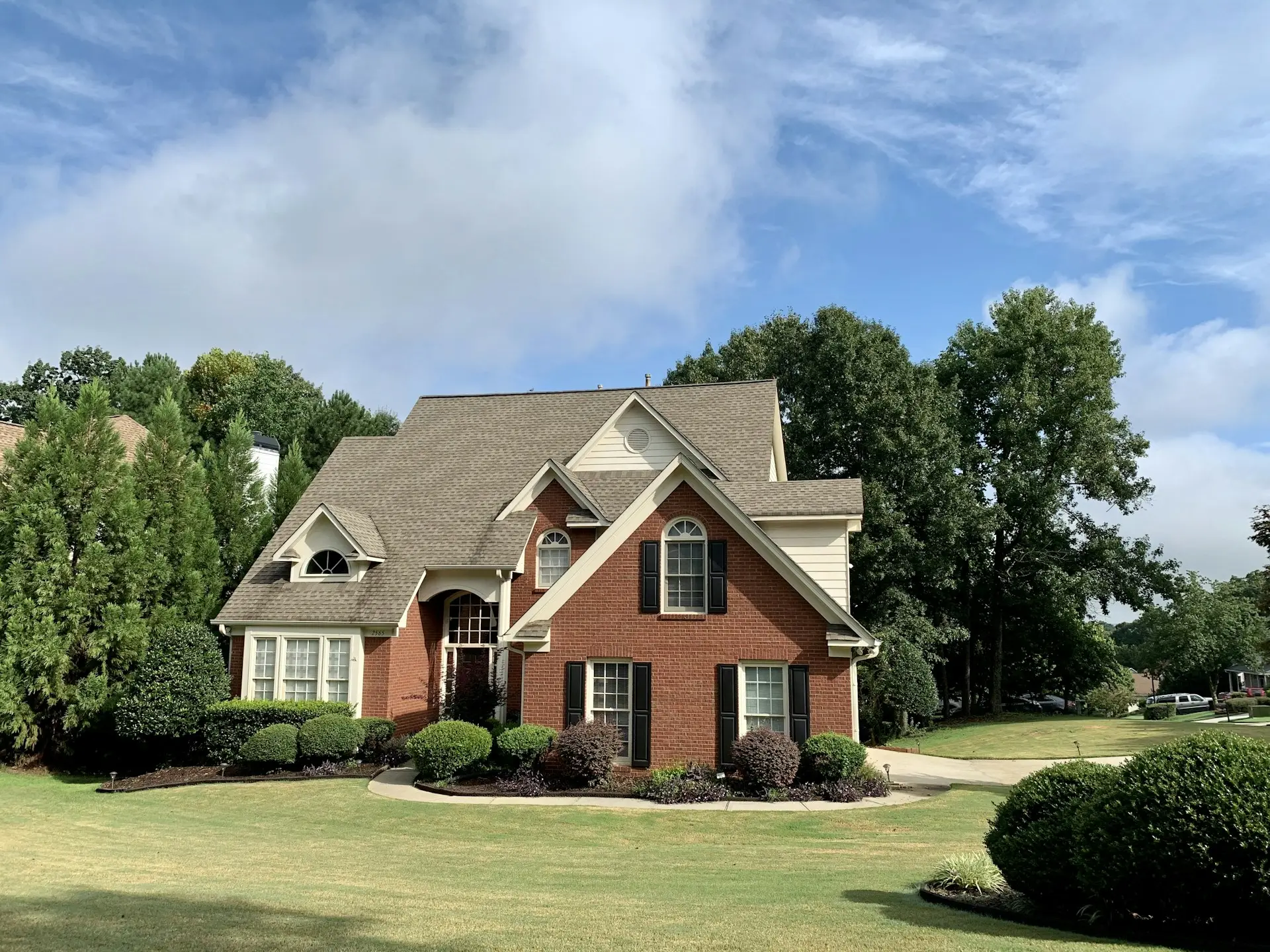
Stock photograph used for illustration; not a client property
What you cannot see on a tour
Some of the most expensive problems in New Jersey houses are invisible from the living room: a buried tank, a cracked sewer lateral, radon, termite damage behind a finished wall, and flood risk. For flood risk, check the flood maps for the street, not just the town, and read the seller’s flood disclosure carefully. Parts of Hoboken, Jersey City and the river towns in Union County flood in ways a sunny Saturday showing will not reveal. A homeowners insurance quote before you commit tells you a lot too.
My NJ buyer offer guide walks through which inspections to order and when, and the cash-to-close guide covers what they cost.
If you are the seller
Every item on this list is something a buyer will mention on the way to the car. The cheap ones, extending downspouts, regrading a bed, replacing a rotted sill, closing an open permit, cost less than the price cut they trigger. Do them before photos. Related guides:
- Fall curb appeal: a ground-level showing checklist
- A maintenance triage plan before selling
- What NJ sellers must disclose
- Selling a house as-is in NJ
- Cleaning or repair? A pre-listing checklist
Touring homes in New Jersey this fall?
Jorge walks the perimeter with his buyers, points out what the photos hid, and helps price the offer around what the inspection is likely to find.
Talk to Jorge About Your SearchNJ Buyer GuideQuestions about red flags, inspections and buying a NJ home
What makes a house a money pit?
A house where the cost of the repairs it needs, discovered after closing, is far larger than the price accounted for. The signs are usually visible early: water moving toward the foundation, amateur repairs, structural cracks, an old roof and deferred maintenance. Buying one is not the mistake. Buying one at a price that assumes none of it is.
Should I walk away from a house with foundation cracks?
Not automatically. Hairline shrinkage cracks in poured concrete are common in New Jersey basements. Stair-step cracks in block, bowing walls, doors that will not latch and sloping floors are different, and they call for a structural engineer’s opinion during the inspection period. Price the offer with that visit in mind.
How can I tell if a New Jersey house has an underground oil tank?
Look for a fill pipe or vent pipe in the yard or through the foundation wall, a capped copper line in the basement, or a chimney with no appliance connected to it. Older homes in Union, Essex and Morris counties often had oil heat. The only reliable answer is a tank sweep, which is a separate inspection you should order before the contingency ends.
Is unpermitted work a deal breaker when buying in NJ?
It is a negotiation, not always a deal breaker. Many New Jersey towns require a certificate of occupancy or a resale inspection before closing, and open or missing permits surface then. Ask the seller to close permits before closing, or price the risk into the offer. Your attorney can make it a contract condition.
Can I still buy a house that has some of these red flags?
Yes. Most houses I sell in New Jersey have at least one item on this list. The point is to see it before the offer, name the inspection that answers it, and make sure the price or the contract reflects what you learn. A red flag you found on the tour is a known cost. A red flag you find after closing is a money pit.
Sources reviewed September 28, 2026, including the House Outlook list of red flags that signal a money pit to home buyers. This guide is general information drawn from Jorge’s experience, not legal, engineering or insurance advice.