Floating Furniture: Testing a Layout Before Listing Your NJ Home
Pushing every piece against the walls is the default in most houses. Pulling a few of them into the room is a free, reversible experiment worth running before the photographer arrives.
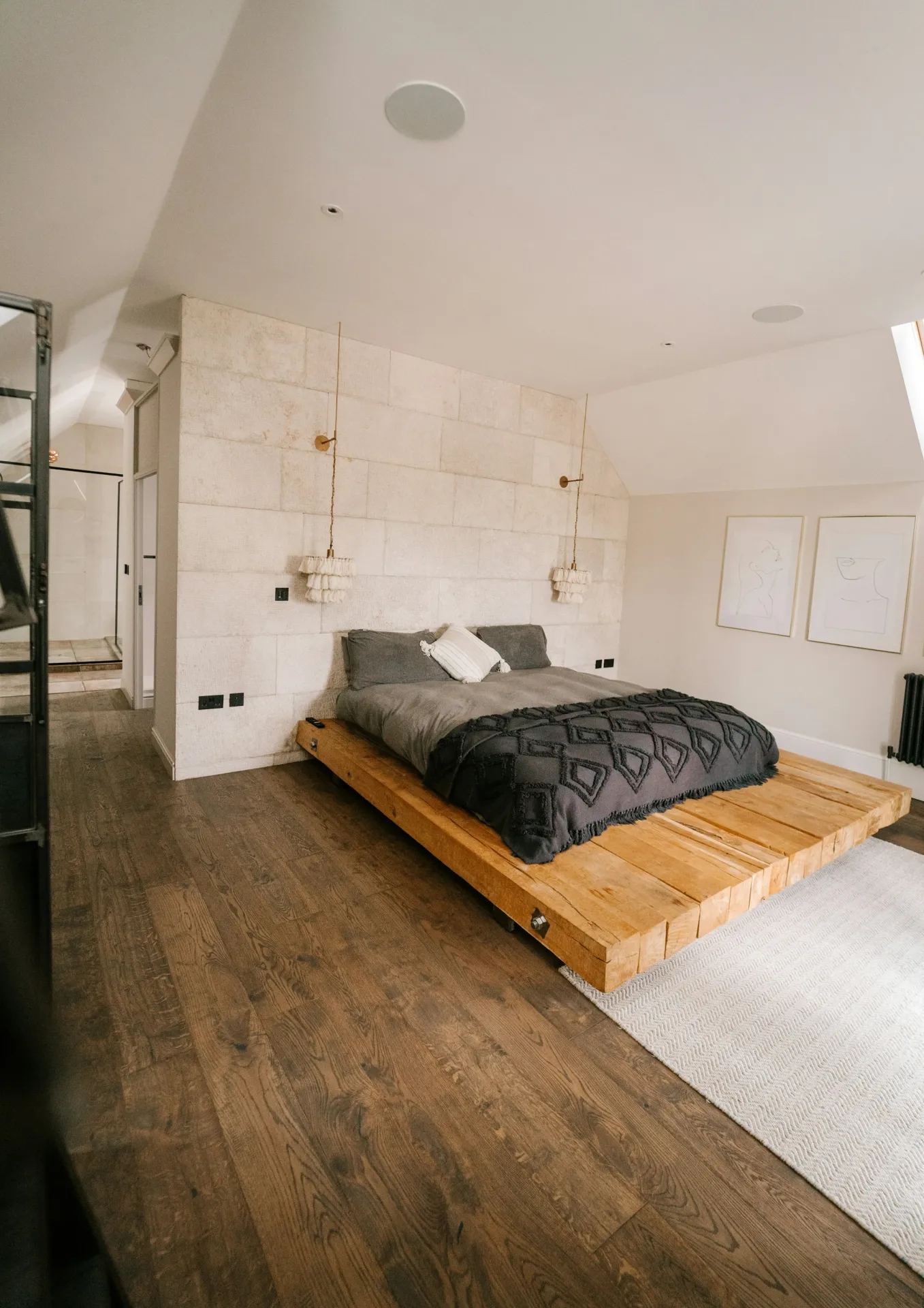
Stock photograph used for illustration; not a client property
What floating furniture means
Floating a piece means moving it off the wall so it sits in the room: a sofa pulled forward with a walkway behind it, two chairs facing the sofa across a table, a bed centered on a wall with space on both sides. The pieces relate to each other instead of to the perimeter, and the room reads as a place to sit rather than a hallway with furniture along the edges.
I bring this up on pre-listing walkthroughs in Westfield, Cranford and Maplewood more than any other layout change, because it costs nothing and can be undone in ten minutes. It is an experiment, not a rule. Some rooms improve, some do not, and you will know which by the end of the weekend.
Pick one room and measure it
Start with the living room or family room, whichever has the most open floor. Measure the room and the largest pieces, and note every doorway, radiator, return vent and outlet. Long, narrow living rooms in older Colonials are the classic case: seating lined up along both long walls turns the middle into a corridor. Floating the sofa toward the center, with its back to the entry side of the room, gives the space a front and a back.
- Keep a walkway you can use without turning sideways behind and around the group.
- Face the seating toward one thing: the fireplace, the window or the conversation, not the television alone.
- Bring the coffee table with the sofa so a person can set down a cup without leaning.
- Use a rug you already own to anchor the group if you have one that fits under the front legs.
- Move lamps to where the seating landed and check that the cords reach an outlet without crossing the walkway. The cord clutter guide covers the tidy-up.
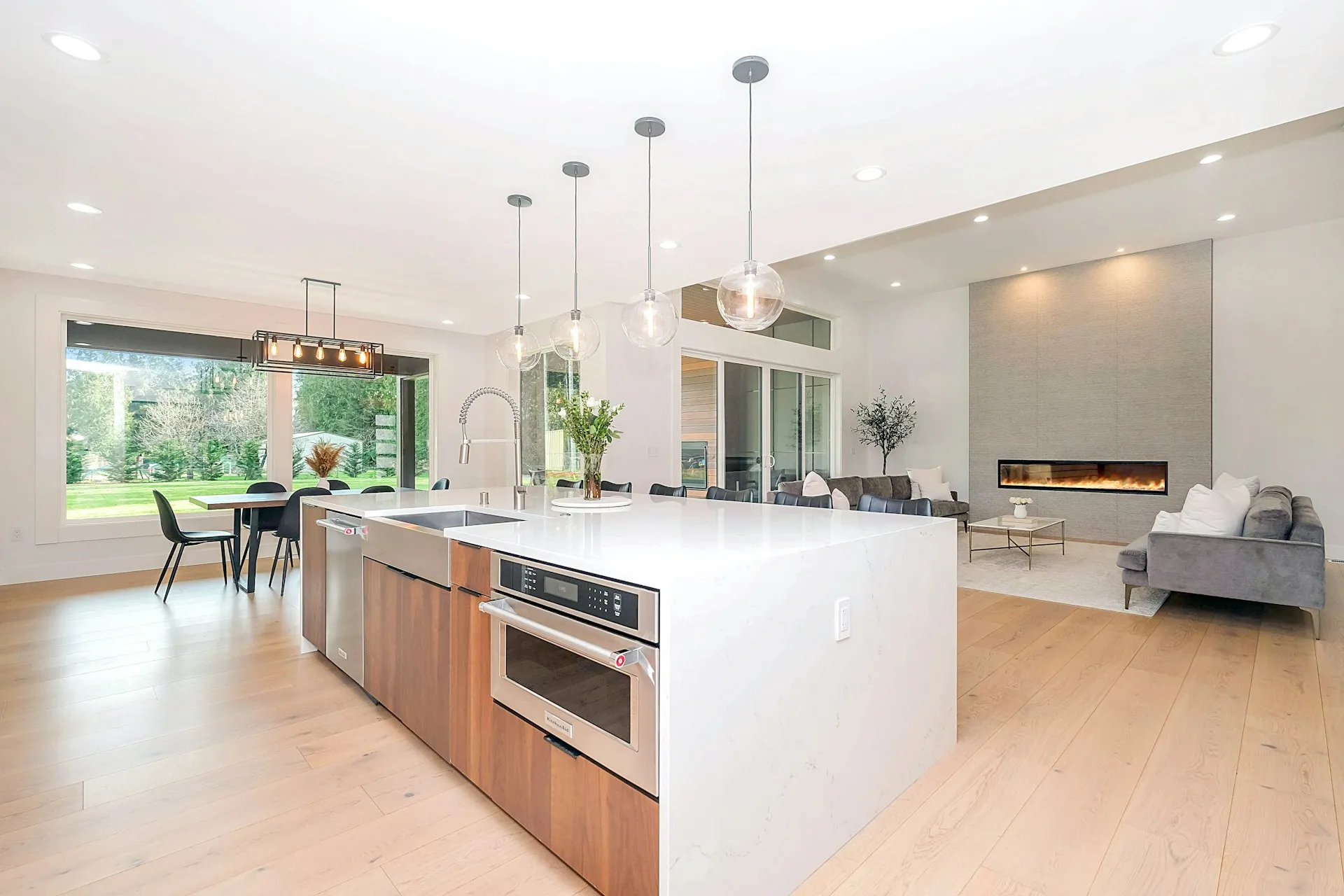
Stock photograph used for illustration; not a client property
Test it with your own photographs
Stand in the doorway, where the listing photographer will stand, and take a phone picture of the room as it is. Move the furniture, take the same picture from the same spot, and compare the two side by side. Look for three things: whether the floor is visible in the foreground, whether the room’s purpose is obvious, and whether anything now blocks a window or a door. Then walk the route a buyer would take, from the entry through the room to the next door, without touching anything.
If the second photo is better and the walk is comfortable, keep it. If the sofa now blocks the view into the dining room or the chairs crowd the entry, put it back and try floating only one piece. Compare with the conversation layout checklist if seating is the sticking point.
Keep routes and exits clear
A floated layout must not narrow the path to a door or a window. The U.S. Fire Administration advises keeping doors and windows unobstructed for escape, and that applies during a listing as much as any other week. USFA: home escape planning. Keep furniture off radiators and return vents as well, both for safety and because a buyer will move a chair to look at the heat source.
When floating does not work
Not every room has the floor for it. A living room in a Hoboken or Jersey City condo with the entry, kitchen and balcony door all opening into it may only have one workable arrangement, and it is usually along the walls. Small bedrooms, rooms with several doorways and rooms with a single focal wall generally do better with the largest piece anchored and one smaller piece floated, such as a chair angled toward the bed or the window.
Do not buy furniture for the showing to make a floated layout work. Use what you own, store what you do not need for the sale, and bring the unresolved rooms to your preparation walkthrough. The furniture-mixing guide covers what to do when the pieces you keep come from different eras.
Make a plan for your particular home.
Discuss your NJ home, timing and preparation questions with Jorge. A practical walkthrough can help you decide which rooms to rearrange and which to leave alone.
Discuss Your Preparation PlanSeller ResourcesQuestions about this checklist
Does floating furniture make a room look bigger?
It changes how the room reads in a photograph and on foot, and in many rooms that reads as more open. Test it with your own photos rather than assuming; this article promises no outcome.
What if my sofa is too large to float?
Leave the sofa on the wall and float the smaller pieces instead: pull two chairs into a group with a table, or angle a chair to face the seating. A rug can still define the area.
Do I need a rug to float furniture?
No. A rug you already own helps anchor a floated group, but the layout works on bare floors if the pieces relate to each other and the walking route is clear.
Should I float furniture in every room?
Start with one room that has the space, usually the living room or family room. Small bedrooms, narrow rooms and rooms with several doorways often work better with furniture against the walls.
Will buyers notice where the sofa sits?
Buyers notice whether a room has a clear purpose and whether they can walk through it comfortably. The layout is one way to show that; it is not a guarantee of any offer or price.
Sources reviewed September 16, 2026. Layout suggestions are optional and subjective; no price, timing or buyer-response outcome is promised.