The Handover Drawer: What NJ Sellers Should Leave for the Buyer, and What Buyers Should Stock in Week One
House Outlook’s article on the fifteen things every junk drawer should hold is about tape, scissors and a flashlight. I read it twice, once as a seller and once as a buyer. The seller version is the handover drawer: the one drawer in the kitchen that holds everything the next owner will spend a month hunting for. The buyer version is the week-one kit for a house in Cranford or Morristown whose shutoffs, filters and quirks you do not know yet. Both are cheap, and both come up in nearly every closing I sit through.
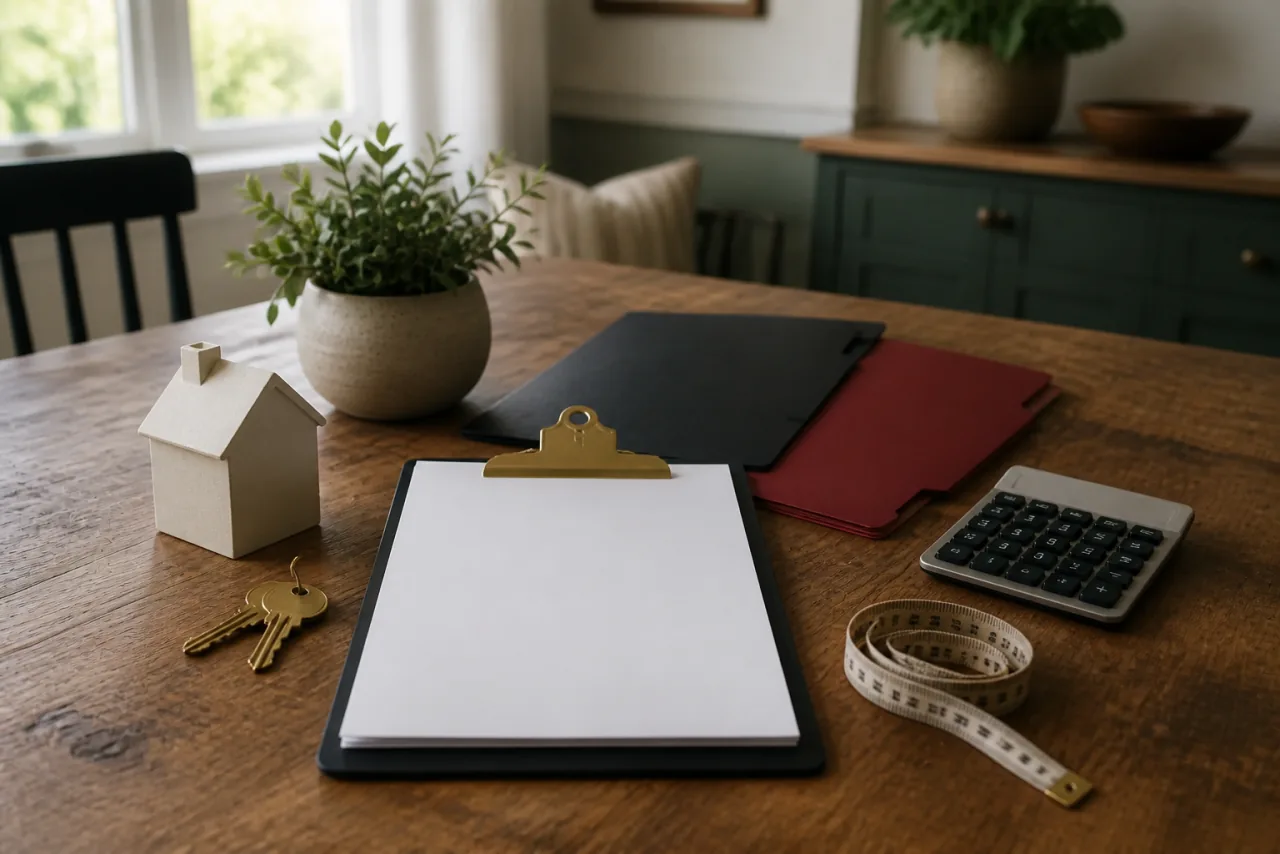
Stock photograph used for illustration; not a client property
The House Outlook list
The article argues that the junk drawer is the most useful drawer in the house if it is stocked on purpose: a flashlight, batteries, tape, scissors, a tape measure, a screwdriver with both tips, pens, a notepad, spare keys, the small things a household reaches for weekly. Fair enough. What struck me is that the drawer is also where the memory of a house lives, and that memory does not transfer at closing unless somebody packs it.
The seller’s handover drawer
Pick one kitchen drawer, empty it, and label it for the buyer. It is not required by the contract. It is the single cheapest thing a seller does that a buyer remembers, and it cuts the calls your agent gets in the month after closing. Here is what goes in it.
- Every key, labeled. Front, back, side, garage service door, shed, mailbox, the basement bulkhead, window locks. Buyers rekey anyway, but they need to open the doors on day one.
- Remotes and codes. Garage door openers, the gate, the ceiling fans, the gas fireplace. Write down the garage keypad code and the alarm code on an index card and tell the buyer to change both.
- Manuals and warranties. Every appliance that stays, the furnace, the water heater, the sump pump, the irrigation controller. A folder is fine; a drawer with the folder in it is better.
- Paint colors and leftover touch-up. Brand, color name and sheen for each room, on a card, with a labeled sample jar in the basement. The paint record is the item buyers mention most.
- The shutoff map. Where the main water valve, gas valve, electrical panel and outside spigot shutoffs are, in a sentence each. In an older Union or Elizabeth house, add which breaker is mislabeled.
- Filter sizes and dates. Furnace filter size, refrigerator filter model, range hood filter, when each was last changed. The filter guide has the full list.
- Service records and contacts. The plumber, the HVAC company, the chimney sweep, the oil delivery account if there is one, the last service date for each. Anything the buyer’s inspector asked about belongs here too.
- Town details. Trash and recycling days, leaf pickup rules, the permit office, the water utility account number. Edison, Woodbridge and Montclair all run differently, and nobody tells the buyer.
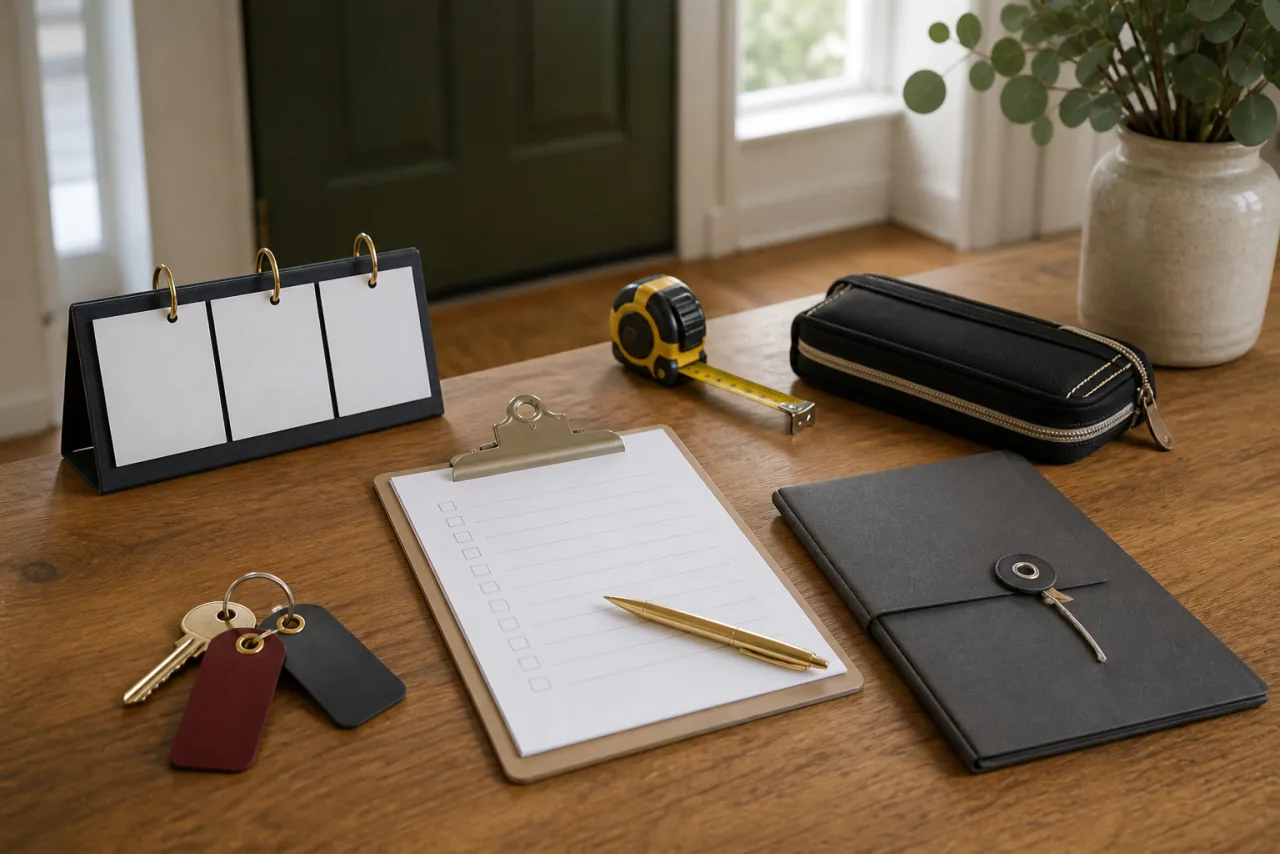
Stock photograph used for illustration; not a client property
Jorge’s tip: Take a photo of the open drawer before you lock up and send it to your agent. Buyers at the final walkthrough see it, their agent sees it, and it answers the question every buyer is quietly asking at the end: did these people take care of the house?
The buyer’s week-one kit
If you are the buyer, assume the drawer will be empty and pack your own before the truck arrives. A flashlight and fresh batteries, a tape measure, a multi-tip screwdriver, pliers, painter’s tape, picture hooks, a box cutter, a notepad and a marker. Add the things a new house in New Jersey needs in the first week: a new furnace filter in the right size, smoke and carbon monoxide alarm batteries, a leak sensor for under the water heater, a tag for the main water shutoff, and the lockbox code to the agent who still has access until the locks are changed. The first-use cleaning list covers the rest of that week.
A few things that should not be in either drawer
Loose lithium batteries rolling against keys and coins are a fire question, which is why they get their own guide. Old prescriptions, account passwords on paper, a checkbook and the previous owner’s mail do not belong in a drawer you are handing to a stranger. Sellers: clear your personal paper out of every drawer before the walkthrough. Buyers: check every drawer anyway.
What the contract covers, and what it does not
The New Jersey contract and the attorney review letters say what stays with the house: fixtures, the listed appliances, sometimes the window treatments and the shed. They rarely say anything about manuals, remotes, keys or codes, and a seller who leaves without them is not in breach. They have just made the first month harder for the people who paid them. In my experience the drawer costs an hour and gets talked about for years. If something you left behind matters to the deal, like the second garage remote the buyer asked about in writing, confirm it with your attorney before closing.
Related guides
- The move-out decluttering question for NJ sellers
- Keep a record of your home’s paint colors
- Loose batteries in the junk drawer: the fire risk
- What to clean before first use in a new NJ home
Closing on a NJ home this fall?
Jorge walks sellers through the move-out and buyers through the first week, so nothing important is left behind or left unknown.
Talk to Jorge Before ClosingNJ Buyer GuideQuestions about closing, keys and the first week in a NJ home
Is a seller required to leave manuals, remotes and keys at closing in New Jersey?
Keys to the doors, yes, as a practical matter of delivering possession. Manuals, garage remotes and codes are usually not spelled out in the contract unless a party added them during attorney review. Leaving them is a courtesy most sellers extend, and one buyers can ask for in writing.
Should I change the locks right after closing?
Yes. Rekey or replace the exterior locks, change the garage keypad and alarm codes, and reset any smart lock the first week. You do not know who has copies of the old keys, and the seller’s agents, cleaners and contractors often do.
What should a buyer check in the drawers at the final walkthrough?
That the appliances and fixtures listed in the contract are present, that personal items and trash are gone, and that any keys, remotes or manuals the seller agreed to leave are there. Note anything missing and tell your attorney before you close, not after.
Where should I keep the paint colors and manuals for my own house?
In one place you will find in five years: a labeled kitchen drawer, a folder in the basement workbench, or a shared note on your phone with photos of the paint can labels. When you sell, that record becomes the handover drawer.
What should a new homeowner do in the first week in a NJ house?
Find and tag the water, gas and electrical shutoffs, change the furnace filter, test the smoke and carbon monoxide alarms, change the locks and codes, set up the utility accounts and the town’s trash schedule, and walk the outside of the house once in daylight to see where water goes.
Sources reviewed October 22, 2026, including the House Outlook newsletter of October 21, 2026 and the article it links on items every junk drawer should hold. What stays with a house is set by the contract and attorney review; confirm inclusions, possession and any requested items with your attorney, and treat the handover drawer as a courtesy rather than a legal obligation.