The No. 1 Lighting Mistake That Makes a NJ Home Feel Cold to Buyers
Buried in Monday’s House Outlook newsletter was a Martha Stewart piece with a line I have said in a lot of living rooms: if your home feels cold, stark or uninviting, the problem might not be the furniture or the paint. It is the lighting, and the mistake is almost always the same one.
Stock photograph used for illustration; not a client property
The tip House Outlook sent this week
Below the washer story in Monday’s House Outlook newsletter was a link to a Martha Stewart piece on the number one lighting mistake designers wish homeowners would avoid. The mistake is depending on a single overhead fixture to light a whole room. One ceiling light, usually with a cool bright bulb, and nothing else.
I see it constantly in prewar colonials in Westfield, Cranford and Maplewood, where every bedroom has one center ceiling fixture and the living room has none at all. The house is in good shape. It still feels like a waiting room, and buyers cannot say why.
Why one ceiling light costs you at a showing
Light from one point straight overhead flattens a room. Walls go gray, corners disappear, and faces look tired. In a listing photo the camera does the same thing, which is why rooms lit this way look smaller online than they are. Buyers scrolling Montclair or Summit listings on a phone are comparing your flat gray living room against one that glows.
Fall makes it worse. By mid-October a showing after work in Morristown or Chatham happens in the dark. The buyer never sees your south-facing windows. They see whatever your light switches do, and if the answer is one bright bulb in the middle of the ceiling, that is the house they remember.
The fix: three layers, warm and matched
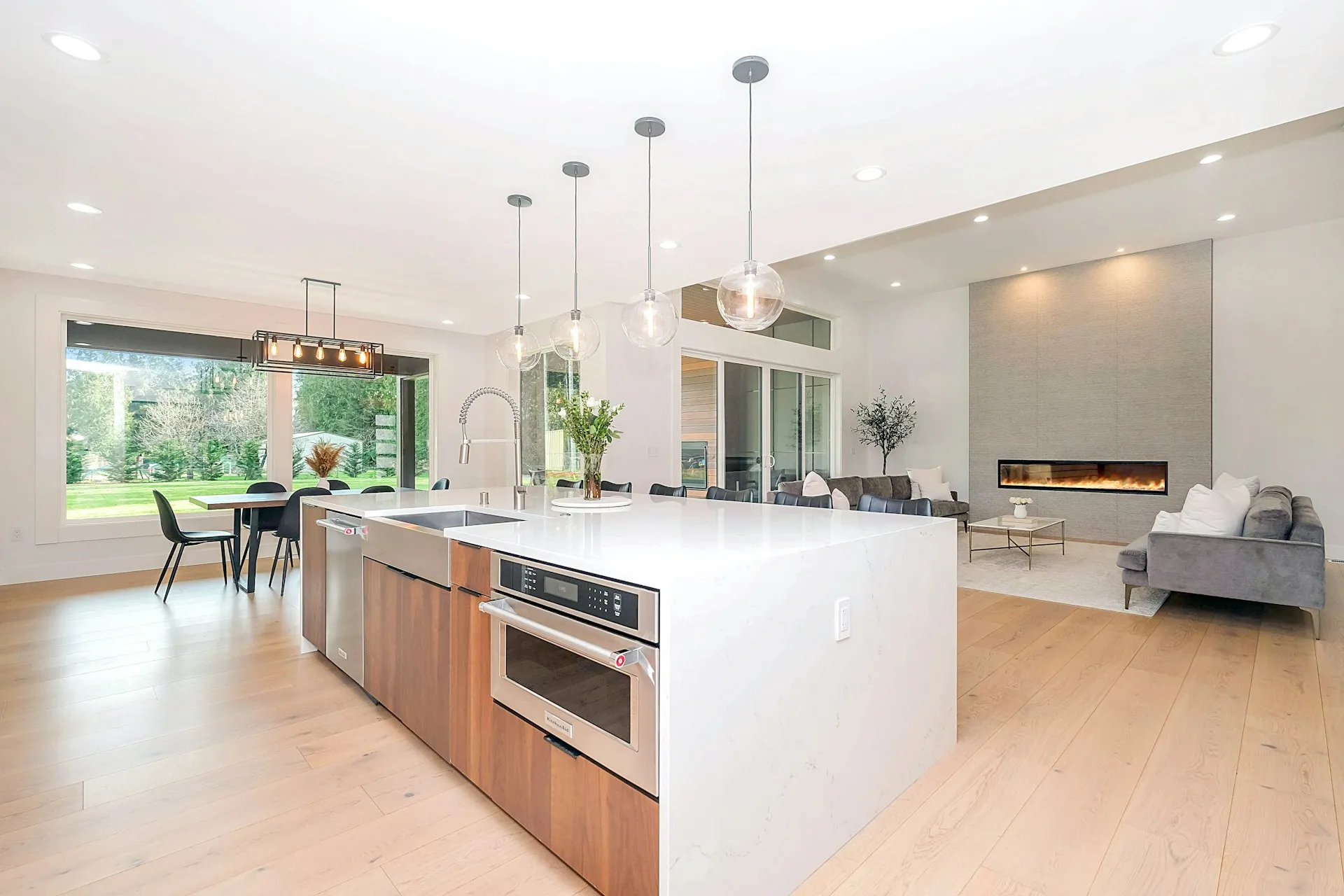
- Add two more light sources to every main room. Designers call it layered lighting: a ceiling fixture for general light, lamps at seating height for the room to feel lived in, and something small for accent, like a picture light or a lamp on a console. Two table lamps and one floor lamp turn most living rooms around.
- Match the bulbs. Pick one warm color temperature for the whole house and replace every bulb that does not match. Mixed warm and cool bulbs in one room look like a mistake because they are one. Check the packaging and keep a spare pack for the showing period.
- Light the corners. A lamp in the far corner of a room makes the room read larger. Dark corners read as missing square footage.
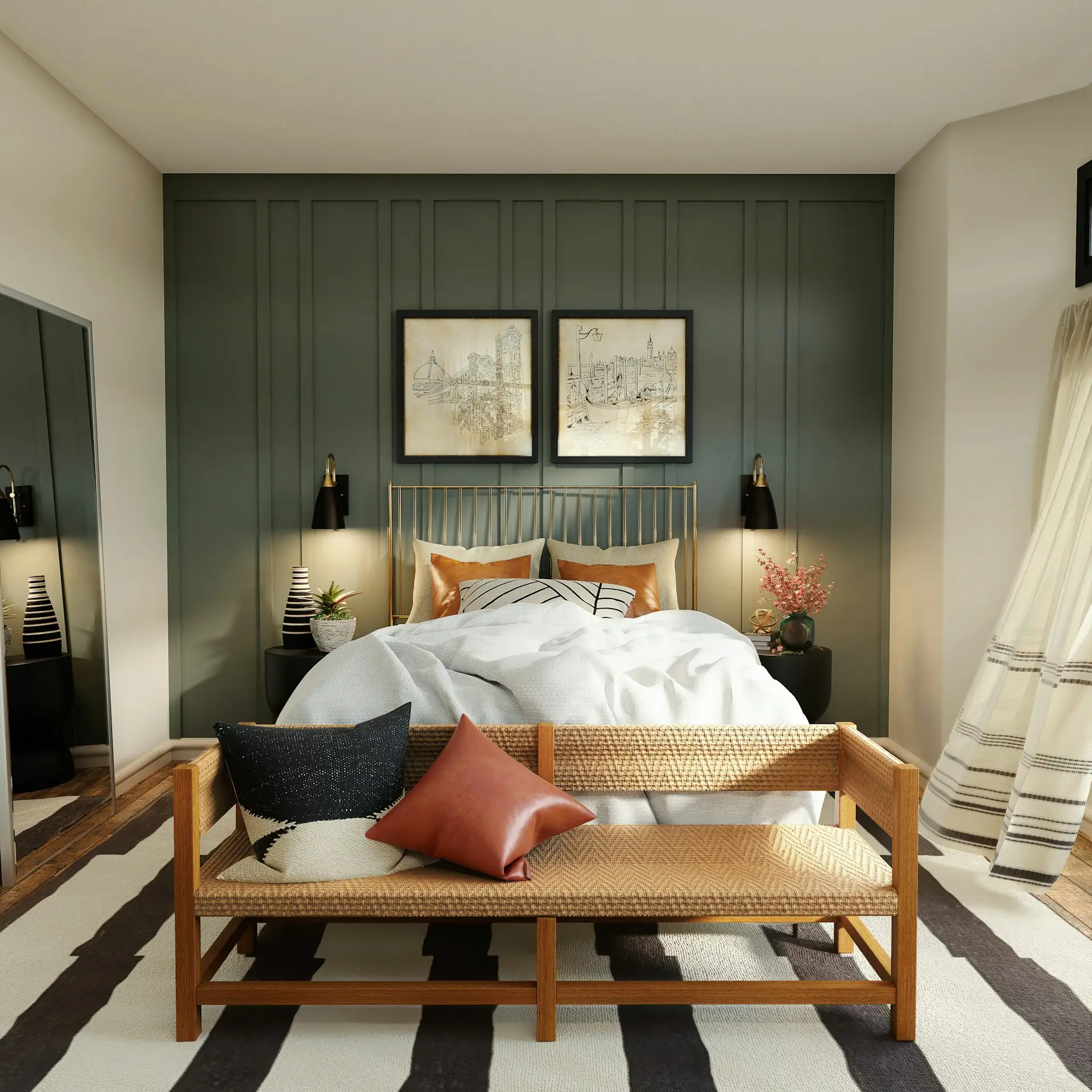
- Put the bedroom lights at the bedside. Two bedside lamps or sconces and the ceiling light off is how a primary bedroom in Millburn or Short Hills gets photographed. One bare ceiling fixture over the bed is how it gets scrolled past.
- Add dimmers where you can. A dimmer on the dining room and kitchen fixtures is an inexpensive part. Any work beyond swapping a switch belongs with a licensed electrician, and new wiring may need a permit in your town.
- Turn everything on for every showing. Every lamp, every fixture, closets included, before the buyer arrives. Your agent should be doing this. Leave a note if the house shows by lockbox.
Jorge’s tip: Before the photographer comes, walk the house at dusk with every light on and your phone camera open. Any room that looks gray on the screen needs a lamp, not a repaint. Use the light and reflections checklist and the October restyle guide so the lamps and the fall styling get handled in the same afternoon.
Stock photograph used for illustration; not a client property
What not to spend on
Recessed lighting throughout the house is a real project with a real cost, and in my experience it does not come back at the closing table when it is done three weeks before listing. The same goes for replacing every fixture with a trend piece. Lamps and bulbs cost a fraction, they photograph well, and you take them with you. If a fixture is dated, a plain replacement is fine. If it is broken, fix it, because a buyer’s inspector will note it.
Do not use lighting to hide a problem either. A room that feels cold because of a draft or thin insulation is a different fix, covered in the drafts and insulation guide.
For buyers: what good lighting can hide
When a staged house in Edison, Woodbridge or Scotch Plains glows at a showing, turn the lamps off for a minute. Look at the ceiling fixtures and the switches that control them. Ask the age of the electrical panel and whether any room lacks an overhead light, which is common in older homes and matters if you plan to add one. Flickering, warm switch plates or a fixture that buzzes go on your electrical warning signs list. Beautiful lighting is a presentation choice. The wiring behind it is what you are buying.
Where this fits in listing prep
Three lamps and a pack of matching bulbs change how buyers read a house more than most sellers believe. Related guides:
- The design mistake that makes rooms feel flat in NJ listing photos
- Cozy home staging for NJ sellers without making rooms feel small
- White paint colors that work under warm light in NJ homes
- Bedroom setup that photographs well and sells a NJ home
Listing a NJ home this fall?
Jorge walks the house with you at the hour buyers will see it and sorts the lamps and bulbs you can fix this week from the electrical questions that belong to a licensed professional, so every room photographs the way it lives.
Book a Pre-Listing WalkthroughSeller ResourcesQuestions about lighting, showings and selling a NJ home this fall
What is the number one lighting mistake that makes a home feel cold?
Relying on a single overhead fixture, usually with a cool bright bulb, to light a whole room. One light source from the ceiling flattens the walls, darkens the corners and makes a room look smaller in photos. Designers fix it with layered lighting: a ceiling fixture plus lamps at seating height plus a small accent light.
What color temperature bulbs should I use when selling my NJ home?
Pick one warm white and use it in every fixture in the house. The exact number matters less than consistency; mixed warm and cool bulbs in the same room look like an error in photos and in person. Check the packaging, replace the mismatches and keep spares for the showing period.
Should I install recessed lighting before listing my house?
Usually not. Recessed lighting throughout a house is a real project, and in Jorge’s experience work done three weeks before listing rarely comes back in the sale price. Lamps, matched bulbs and dimmers cost a fraction, photograph well and leave with you. Have a licensed electrician handle anything beyond a switch swap.
Should all the lights be on during a showing?
Yes, every lamp and fixture, closets included, before the buyer walks in. In the fall most after-work showings in New Jersey happen after dark, so the buyer never sees your windows. They see what the switches do. Your agent should turn everything on, or leave a note if the house shows by lockbox.
Can lighting hide problems a buyer should look for?
It can soften them. Buyers should turn the lamps off for a minute, look at the ceiling fixtures and switches, and ask the age of the electrical panel. Flickering, warm switch plates or a buzzing fixture belong on the inspection list. Good lighting is presentation; the wiring behind it is what conveys.
Sources reviewed October 13, 2026, including the Martha Stewart lighting mistake piece featured in House Outlook’s newsletter. Staging suggestions are general guidance drawn from Jorge’s experience, not evidence of a sale-price outcome; have a licensed electrician handle any wiring and check local permit requirements.