Should You Remove a Tree Stump Before Selling Your NJ Home?
A stump is the first thing a buyer sees in the listing photo and the first question they ask at the curb. Grinding it a month before the photographer comes is one of the cheapest doubts a seller can remove.
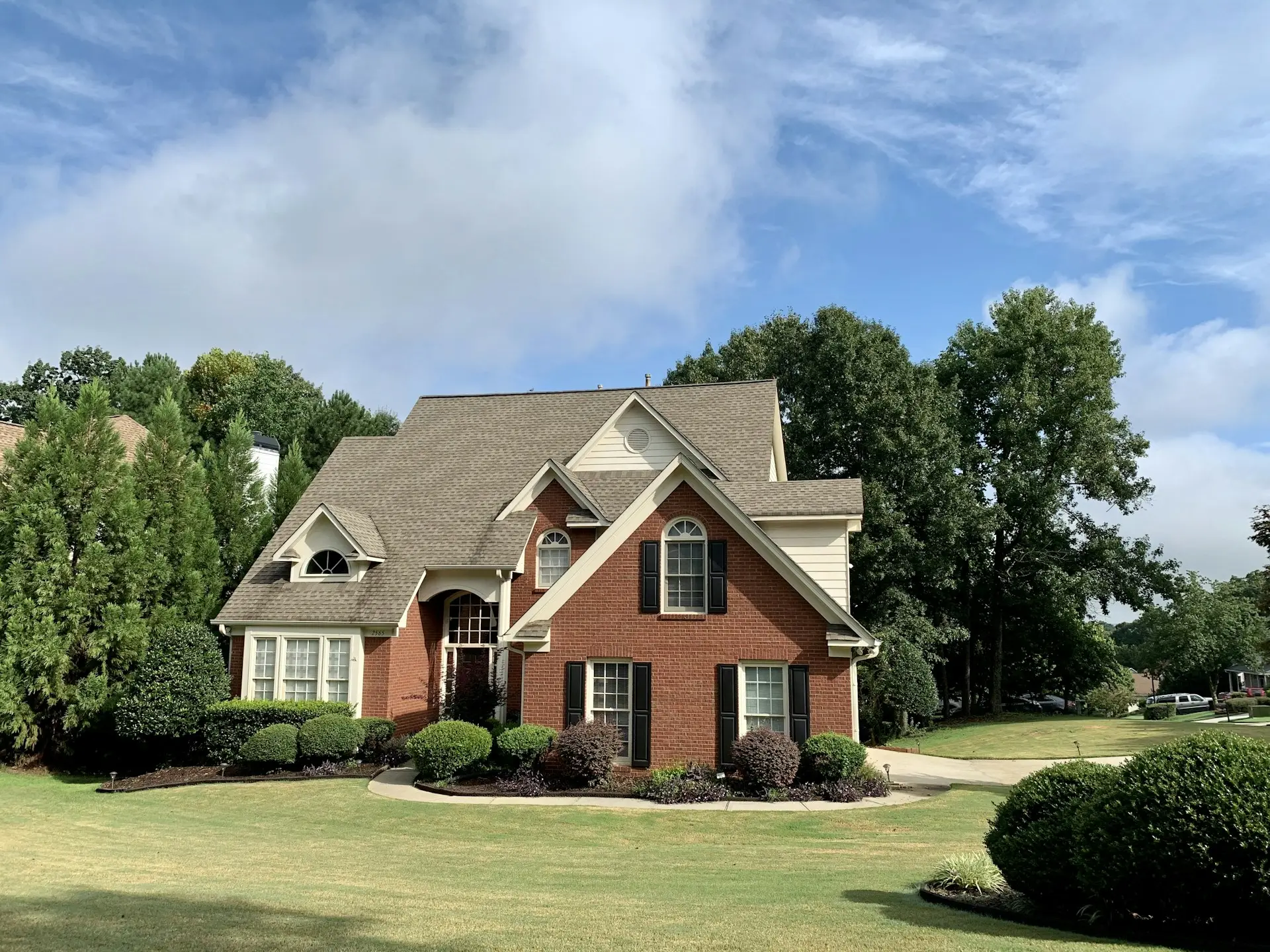
Stock photograph used for illustration; not a client property
Why a stump reads differently to a buyer than to an owner
House Outlook’s newsletter this week linked a piece on whether a tree stump is worth removing. The homeowner’s answer is usually “eventually.” The buyer sees the stump in the first listing photo, again from the curb, and once more while the agent opens the lockbox. It is the first question they ask: why did the tree come down?
Storm, disease, roots in the sewer line, roots under the walkway. None of those answers helps you. A stump in a Westfield or Cranford front yard tells the buyer a project was started and stopped, and they wonder what else was.
The problems a stump causes while it sits
- Pests. A rotting stump is damp wood at ground level, which is what termites and carpenter ants are looking for. A stump within a few feet of the foundation is a bridge to the house, and the wood-destroying-insect inspection most NJ buyers order will name it.
- Regrowth. Maples, locusts and many ornamentals send up suckers from a live stump for years. A row of shoots around a stump looks like neglect in a photo.
- Root movement. The roots that lifted the walkway or cracked the driveway keep doing it until they die back. Buyers notice heaved pavers and inspectors write them up as a trip hazard.
- The mower and the liability. A stump hidden by grass wrecks mower blades and turns an ankle. A buyer walking the yard with a toddler notices that before you do.
- Lost lawn. On a Scotch Plains or Union lot, a stump and its dead zone can take a real share of the usable yard, and usable yard is what families are paying for.
Jorge’s tip: Ask the stump company to grind eight to ten inches below grade and to haul the chips away rather than leaving them in the hole. Chips rot and the spot sinks within a year. Fill with topsoil, seed it, and the buyer never knows there was a tree.
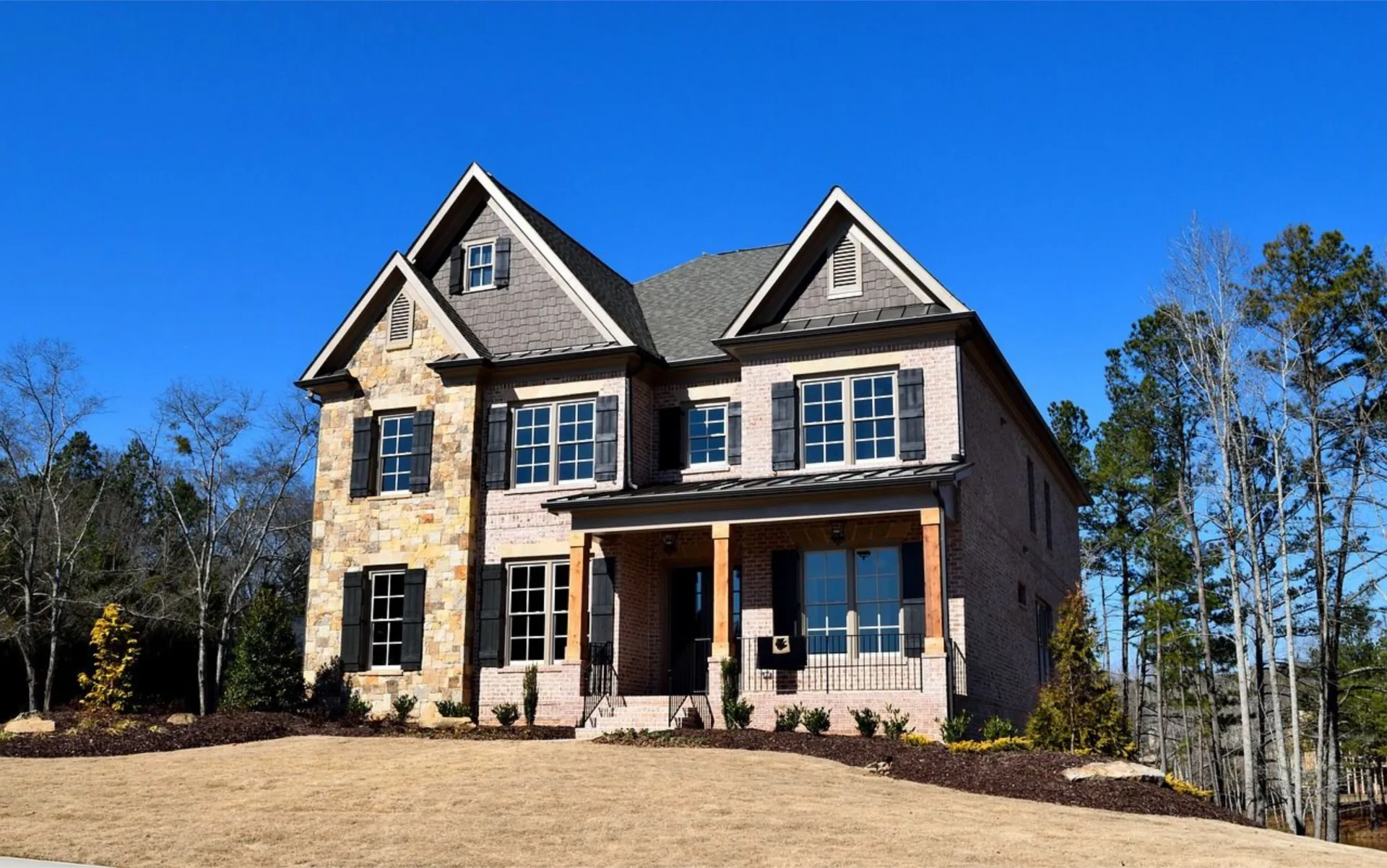
Stock photograph used for illustration; not a client property
Grinding versus digging it out
Grinding is the answer for nearly every seller. A machine chews the stump into chips several inches below the surface, the roots are left to rot, and the hole is filled and seeded. It takes a morning and leaves a yard you can photograph within weeks. Full removal, digging out the root ball with an excavator, is slower, tears up the lawn and only makes sense if someone plans to build a patio, run a drain line or plant a new tree in exactly that spot. Leave that decision to the buyer and price the yard as clean lawn.
Whichever route you choose, call New Jersey One Call at 811 first. The service marks buried gas, electric and water lines for free, and roots run toward the same trenches. A reputable stump crew will ask you for the mark-out before they start.
What an inspector and a buyer’s agent look at
The home inspector’s interest in a stump is indirect. They look at the grade around it, because an old root ball rots and leaves a low spot that collects water and pushes it toward the foundation. They look at the sidewalk and driveway for heaving. And the wood-destroying-insect inspector, who is often a separate visit in New Jersey, looks at any dead wood in contact with soil near the house. A stump ten feet from a Montclair foundation gets its own line in that report, and a line in a report becomes a request for a credit.
The buyer’s agent reads it the way I do, as a signal about the rest of the property. The Chatham and Millburn houses that show best outside are the ones where nothing makes the buyer ask a question. My guides to fall curb appeal for NJ sellers and backyard mistakes that cost value cover the rest of that list.
A stump plan before listing photos
- Book the grinder three to four weeks before the photographer, after the 811 mark-out.
- Have the chips hauled and the hole filled with topsoil, tamped and left slightly proud of grade to allow for settling.
- Seed or sod the spot and water it daily for two weeks, or lay a small bed of mulch with one shrub if it is too late in the season for grass.
- Check the walkway and driveway near the old tree for heaved sections and have them reset or noted on your repair list.
- If the tree came down for disease or roots in the sewer line, keep the arborist or plumber invoice with your disclosure paperwork.
What it does and does not do
Grinding a stump will not add a line to the appraisal on a house in Summit or Edison. It removes an eyesore from the first photo, it takes a pest and grading item off the inspection report, and it makes the yard read as finished rather than abandoned mid-project. Pair it with the landscaping checklist before listing and the pest warning signs guide, and the outside of the house stops raising questions.
Getting the outside of a NJ home ready to list?
Jorge walks the yard and the house before the photographer does, so the cheap fixes get done and the expensive ones get skipped.
Book a Pre-Listing WalkthroughSeller ResourcesQuestions about tree stumps and selling a NJ home
Does a tree stump lower the value of a home in New Jersey?
Not on an appraisal. It lowers the impression, which is where the offer comes from. Buyers read a stump as deferred maintenance and wonder why the tree came down, and both thoughts show up as hesitation or a lower number.
Is stump grinding or full removal better before selling?
Grinding for almost every seller. It is faster, cheaper and leaves a spot you can rake, seed and photograph within a couple of weeks. Full removal only makes sense if you or the buyer plan to build or plant a new tree in the same spot.
Can a tree stump attract termites or carpenter ants?
Yes. A rotting stump is exactly the damp wood both insects want, and a stump close to the house is a short trip to the sill plate. Most NJ buyers order a wood-destroying-insect inspection, and a stump near the foundation is the first thing that inspector notices.
How soon before listing should the stump come out?
Three to four weeks before photos. That gives the grindings time to be removed, the hole to be filled and settled, and new seed or sod to take so the yard photographs as a lawn rather than a patch.
Do I need to call 811 before grinding a stump in NJ?
Yes. New Jersey One Call marks underground gas, electric and water lines for free. A grinder digs several inches below grade and roots run toward those lines. A reputable stump company will not start without the mark-out.
Sources reviewed September 25, 2026, including the tree stump removal piece linked in this week’s House Outlook newsletter. Yard and pest suggestions are general guidance, not a promise of a sale-price or timing outcome. Call 811 before any digging and hire an insured contractor for grinding.