The 3-4-5 Decorating Rule and How to Use It in a NJ Home You Plan to Sell
Three patterns, four period styles, five colors or textures. It is a solid recipe for a room you plan to live in. For a room you plan to photograph and sell, it works better as a counting tool than a shopping list.
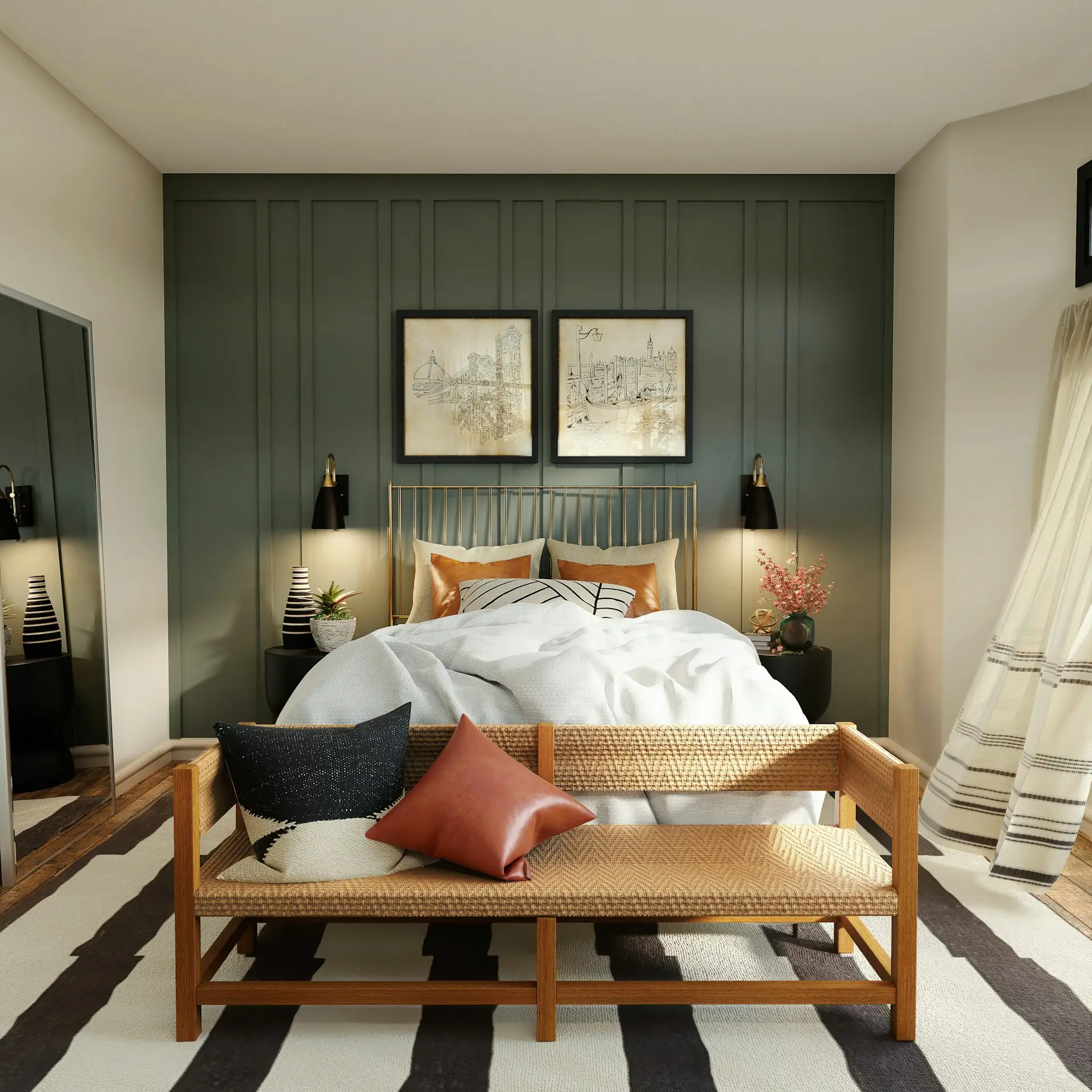
Stock photograph used for illustration; not a client property
What the 3-4-5 rule says
House Outlook’s newsletter this week featured the 3-4-5 rule from New York designer Nancy Cavaliere. Per room, you aim for three patterns, four period styles and five colors or textures. Three patterns might be a striped rug, a floral pillow and a plaid throw. Five colors or textures is the easy one: a velvet chair, a wood table, a woven basket, a brass lamp and a linen curtain get you there without opening a paint can.
The point is balance. Under those numbers a room feels flat and builder-grade. Over them it feels random. For a homeowner in Montclair or Morristown, that is a useful way to decorate. For a seller, I want you to use it differently.
A house for sale is not a house you are decorating
A buyer walking through a colonial in Westfield is not there to admire your taste. They are trying to picture their own furniture in the room, and every strong pattern, extra style and bold color makes that harder. Listing photos make it worse. Three patterns that layer nicely in person turn into noise on a phone screen, which is where most Union and Morris County buyers see your house first.
So my rule for sellers is 3-4-5 in reverse. Count what is in the room. If you are above three patterns, four styles or five colors, you are editing, not shopping.
Jorge’s tip: Count patterns, styles and colors in a phone photo of the room, not in the room itself. The camera exaggerates busy, and the photo is what buyers scroll past in the listing.

Stock photograph used for illustration; not a client property
The seller’s version of 3-4-5, room by room
Patterns: two, not three. Keep one on the rug and one on a pillow or throw, and store the patterned curtains or accent chair if there is a third. One patterned rug against a neutral sofa photographs as intentional. Three patterns photographs as clutter.
Styles: mixed is fine, but not four. A room where every piece matches feels like a furniture showroom, and buyers in Summit and Chatham notice. Two or three styles that share a color or a material read as collected. Four reads as a house furnished by several relatives at once. My guide to mixing design styles before a sale covers what to store.
Colors and textures: hit five with texture, not paint. The reason so many staged rooms feel lifeless is that they are all one texture: flat paint, flat upholstery, flat rug. Five textures in a neutral palette, wood, linen, wool, metal and something living like a plant, give a beige room depth without introducing a color a buyer has to argue with. This is the fix for the design mistake that makes staged rooms feel flat.
Where the rule actually helps a seller
Sellers make two opposite mistakes: leaving the house fully decorated and hoping buyers see past it, or stripping it to white walls and one gray sofa and wondering why the photos look like a rental. The 3-4-5 rule gives you a number to land between. In a typical Scotch Plains or Cranford living room, the fix is not buying anything. It is removing one patterned chair and adding a wood tray, a wool throw and a plant to a room that had been all upholstery. The room photographs like a different house.
Paint follows the same logic. If you are repainting before listing, a warm white with one deeper accent wall is plenty. The white paint guide covers the shades that hold up in North Jersey light.
For buyers: the rule after closing
The full 3-4-5 rule is a good plan for buyers moving into a house in Edison or Woodbridge with the moving budget already spent. Start with the five textures, because you own most of them already. Add the second and third pattern over a year, not a weekend. Mix in a style or two as you find pieces you like. That is how a new house stops looking like the staged version you toured, without a renovation you will regret when you sell. My post on staging a home even if you are not selling makes the same point.
What it does and does not do
Editing a room to 3-4-5 will not change the appraisal on a split-level in Union or a condo in Jersey City. What it does is make every listing photo easier to read and every showing easier for a buyer to imagine themselves in, which is where offers come from. Related guides:
- Furniture visual weight and how rooms photograph
- The living room layout buyers respond to
- Design trends NJ buyers pay more for
- Staging towels and linens for photos
Getting a NJ home ready for listing photos?
Jorge walks the house before the photographer does and tells you what to remove, what to store and what is worth adding.
Book a Pre-Listing WalkthroughSeller ResourcesQuestions about the 3-4-5 rule, staging and selling a NJ home
What is the 3-4-5 rule in interior design?
It is a decorating formula from New York designer Nancy Cavaliere: aim for three patterns, four period styles and five colors or textures in a room. The numbers keep a room from feeling either flat and matchy or random. It was written for people decorating a home they live in, not for staging a house for sale.
Should I decorate with the 3-4-5 rule before selling my NJ home?
Use it as a counting tool, not a shopping list. Count the patterns, styles and colors already in each room and edit down to about two patterns, two or three styles and five textures in a neutral palette. Buyers need to picture their own furniture, and listing photos exaggerate anything busy.
How many colors should a staged room have?
Keep the paint and large upholstery to one or two neutrals, then get variety from texture: wood, linen, wool, metal and a plant. That gives the room depth in photos without a color a buyer might dislike. One deeper accent wall is fine. Three competing colors is not.
Does mixing furniture styles hurt a home sale?
No. A room where every piece matches feels like a showroom. Two or three styles that share a color or a material read as collected and intentional. Trouble starts at four or more unrelated styles, which reads as random and distracts buyers from the house itself. Store the outliers before photos.
Can the 3-4-5 rule help after I buy a house in New Jersey?
Yes, that is its best use. Start with five textures you already own, add a second and third pattern over the first year, and mix in a style or two as you find pieces you like. The house stops looking like the staged version you toured, without a renovation you will regret at resale.
Sources reviewed September 27, 2026, including the House Outlook newsletter feature on Nancy Cavaliere’s 3-4-5 decorating rule. Staging suggestions are general guidance drawn from Jorge’s experience, not a promise of a sale-price or timing outcome.