Color-Capping: The 2026 Paint Trend and How NJ Sellers Should Use It
Color-drenching had its moment. The next paint idea is color-capping: walls in one shade, ceiling and trim in another. Here is how I would use it in a home that is going on the market.
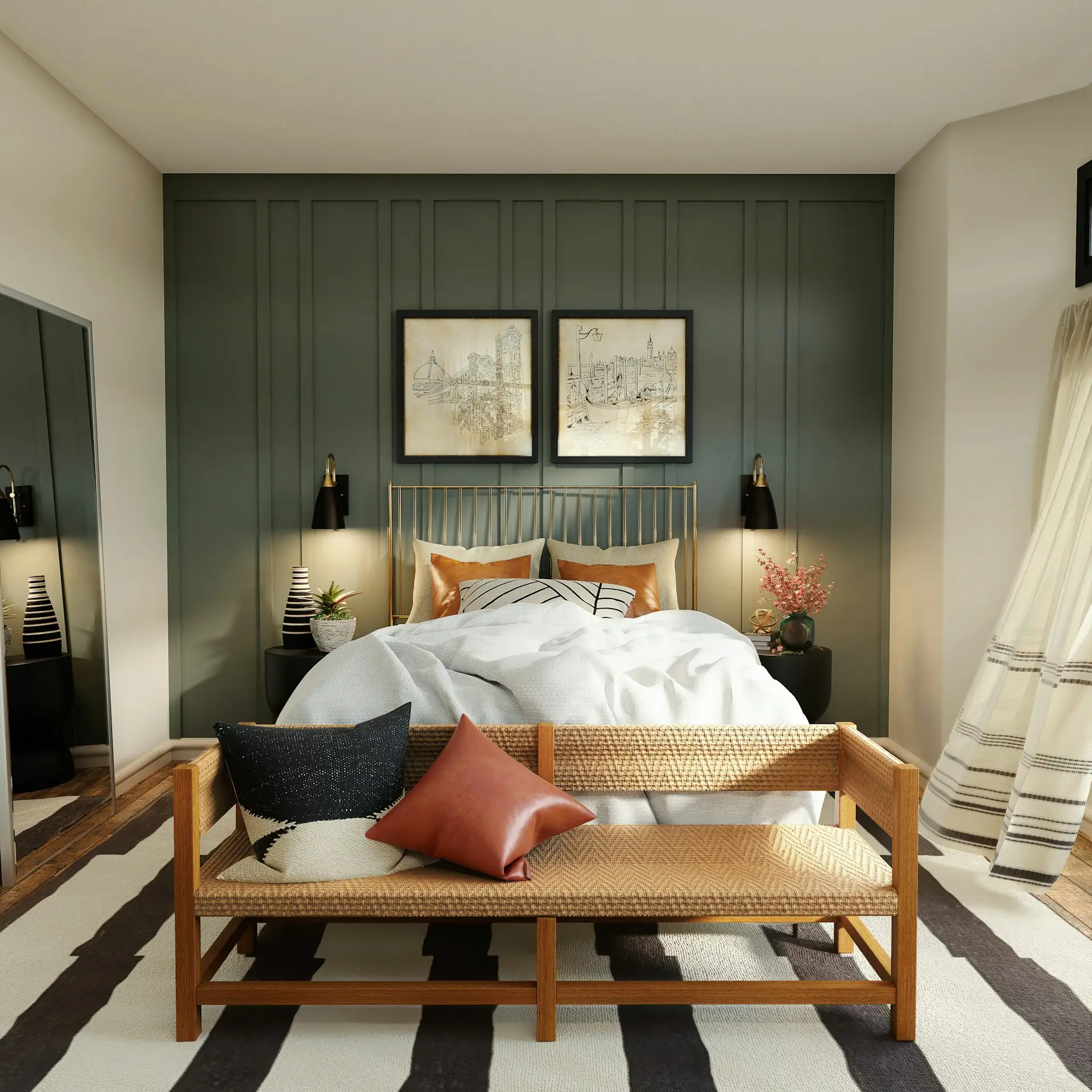
Stock photograph used for illustration; not a client property
What color-capping actually is
For the last few years the trend was color-drenching: walls, trim, doors and ceiling all in one saturated color. Color-capping is the reaction to it. The walls get one color, and the ceiling, trim, doors and sometimes the crown molding get a second, deliberately different shade. The second color is the cap. It can be lighter, darker or a different hue altogether.
Done well, it frames a room. A soft mushroom ceiling over warm white walls makes a dining room feel finished. A deep green cap in a Montclair Victorian with ten-foot ceilings and picture rails looks like someone meant it. Done badly, it is a dark lid on a small bedroom in a Cranford cape with eight-foot ceilings, and buyers feel the ceiling coming down on them the moment they walk in.
What it does in a listing photo
Photos flatten rooms. A capped ceiling or trim gives the camera edges to work with, which is why photographers like it. The risk is the same one I describe in my guide to design trends sellers regret: the more personal the color, the smaller the group of buyers who can picture themselves living with it. A neutral cap widens that group. A bold one narrows it, and in a market where most buyers in Summit or Westfield are looking at a dozen listings a weekend, narrowing is the wrong direction.
Where it works in a home for sale
- One room, not the whole house. A dining room, a powder room, an entry hall with a lot of trim, or a home office. Every other room stays in the neutral range I cover in the white paint guide.
- Keep the cap soft. Warm white or greige walls with a ceiling in a muted mushroom, slate, sage or clay. Flat sheen on the ceiling, satin on the trim so the two read as different surfaces.
- Respect ceiling height. Under about nine feet, cap the trim and doors but leave the ceiling white. Above nine feet, the ceiling can carry color.
- Leave the kitchen and primary bedroom alone. These are the two rooms buyers are least forgiving about. Neutral walls, white ceiling, clean trim.
- Match the existing story. If the house already has a paneled accent wall or stained built-ins, the cap should relate to them, not compete.
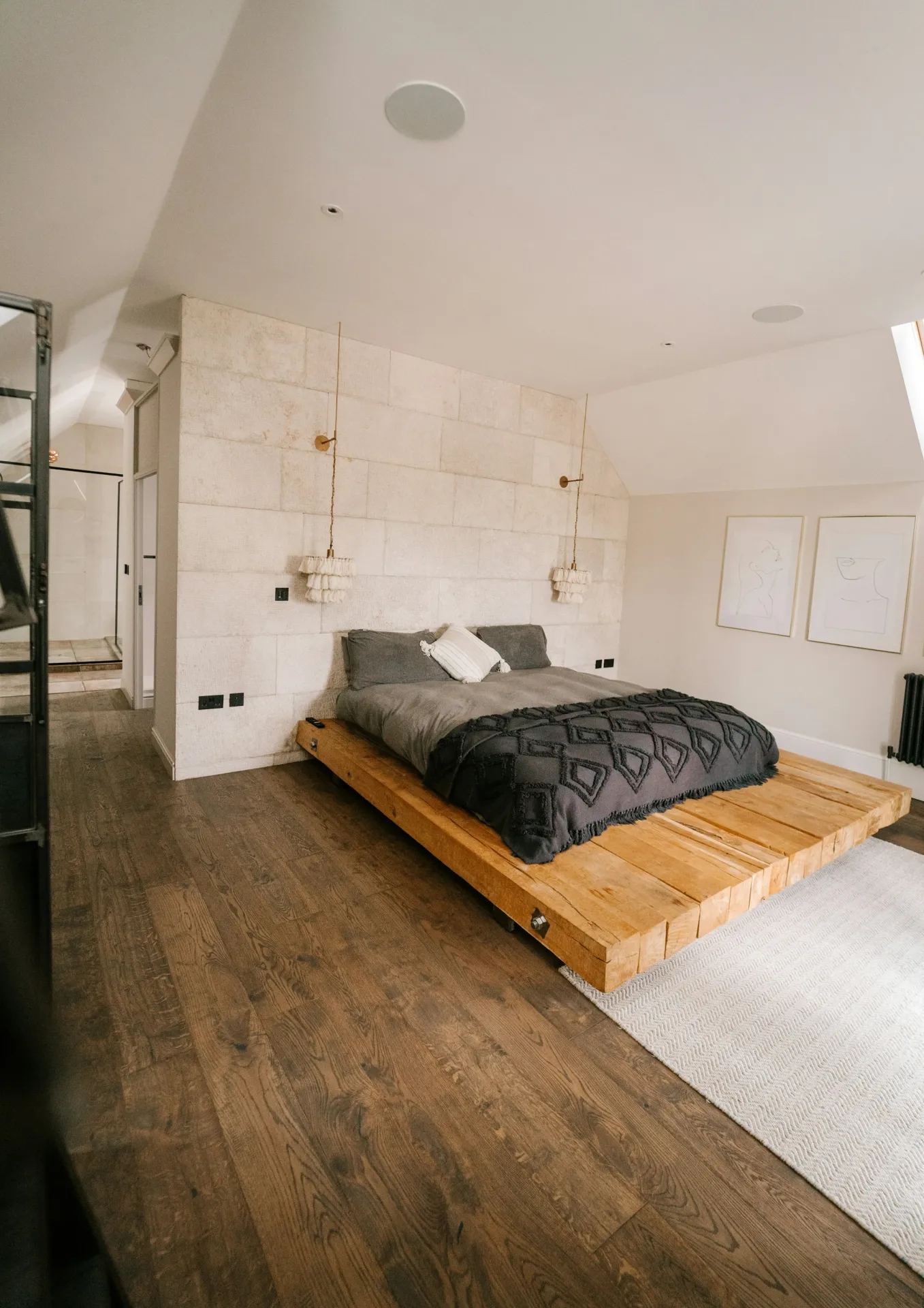
Stock photograph used for illustration; not a client property
The cost buyers count
Here is the practical issue. Repainting a ceiling is cheap. Repainting trim and doors is the labor-heavy part of any paint job, because it is cutting in, sanding and two coats on every edge in the room. When a buyer walks into a room with trim in a strong color they do not love, they are pricing that work in their head, and it comes out of your negotiating room. A light neutral cap does not trigger that math. A bold one does.
In older homes across Maplewood, Glen Ridge and Morristown there is a second question: original stained wood trim. Painting it is a decision that splits buyers down the middle, and it is not reversible at any reasonable cost. My advice to sellers is to leave original wood alone and get the capping effect from the ceiling and walls instead. If you do sand or scrape trim in a home built before 1978, follow the lead-safe practices in the EPA Renovation, Repair and Painting program and hire a certified contractor.
If you are painting before you list
Buy quality paint, keep the leftover cans labeled by room, and write the color names on the list you hand to your agent. Buyers appreciate it, and it makes touch-ups before photos simple. Do the capped room first so you can live with it for a week before committing to a second room. If you are on the fence, read my notes on using a trend color in staging and my staging mistakes guide before you open the can.
Buyers: how to read a freshly capped room
Fresh paint is not a red flag, but a freshly painted ceiling deserves a second look. Ask when it was done and why. Look for a patched area, a ring under the new color, or a bathroom or roof directly above. A painted-over stain still belongs on the seller disclosure if the seller knew the cause, and your inspector can check moisture in the ceiling if something looks off. Then decide whether you like the color or just the light. The paint is the easiest thing in the house to change; the ceiling height and the trim underneath it are not.
Choosing what to paint before you list?
Talk through the rooms, the colors and the order of work with Jorge. A short pre-listing walkthrough can help you spend on the paint that matters and skip the paint that does not.
Discuss Your Pre-Listing PlanSeller ResourcesQuestions about color-capping and an NJ listing
What is color-capping?
Color-capping paints the ceiling, trim and doors in a shade that is deliberately different from the walls. It is the reverse of color-drenching, where every surface in the room gets the same color. The second color, the cap, can be lighter, darker or a different hue.
Does color-capping help sell a house?
This article does not claim a price effect. In my experience a soft neutral cap in one room photographs well and does not narrow the buyer pool. A bold cap, or capping every room, makes buyers price a repaint into their offer.
Which rooms should get a capped ceiling or trim before listing?
A dining room, powder room, entry hall or home office. Keep the kitchen and primary bedroom neutral with a white ceiling, because those are the rooms buyers are least forgiving about.
Should I paint a ceiling a dark color before selling in NJ?
Only if the ceiling is roughly nine feet or higher. In the eight-foot bedrooms common in NJ capes and split-levels, a dark ceiling makes the room feel lower and smaller. Cap the trim and doors instead and leave the ceiling white.
Should I paint original wood trim to get the look?
I generally advise against it in a home you are about to sell. Painting original stained trim splits buyers and is not reversible at a reasonable cost. Get the effect from the walls and ceiling, and if you do sand trim in a pre-1978 home, follow EPA lead-safe practices.
Sources reviewed September 19, 2026. Color suggestions are editorial guidance for presenting a home, not a design specification, and no sale-price or timing outcome is promised. Confirm lead-safe requirements with a certified contractor for homes built before 1978.