Fresh Flowers for Showings: How to Cut Stems to Fit Any Vase in a NJ Listing
A vase of fresh flowers is the cheapest staging move there is, and the most common one to get wrong. House Outlook’s guide to cutting stems to fit a vase is really a lesson in proportion, and proportion is what listing photos reward.
Stock photograph used for illustration; not a client property
What House Outlook got right about the vase
House Outlook’s point is that flower arranging is more precise than people think. You pick the vase first, then cut every stem to a length that suits that vase, and you cut at an angle so the stem keeps drinking. Most sellers do it backward. They buy a grocery-store bunch, drop it into whatever vase is in the cabinet, and end up with stems two feet tall flopping over a cereal bowl. In a listing photo that reads as sloppy, and sloppy is the one thing staging is supposed to erase.
The working rule I give sellers in Westfield and Summit is simple. For a tall vase, the blooms should sit about one and a half times the height of the vase above the table. For a low, wide vessel, cut short so the flower heads rest just above the rim and fill the opening. Cut each stem at a sharp angle with a clean knife or shears, strip every leaf that would sit below the waterline, and change the water every other day. That is the whole technique, and it is the difference between an arrangement that looks styled and one that looks like an afterthought.
Where flowers earn their keep in a listed home
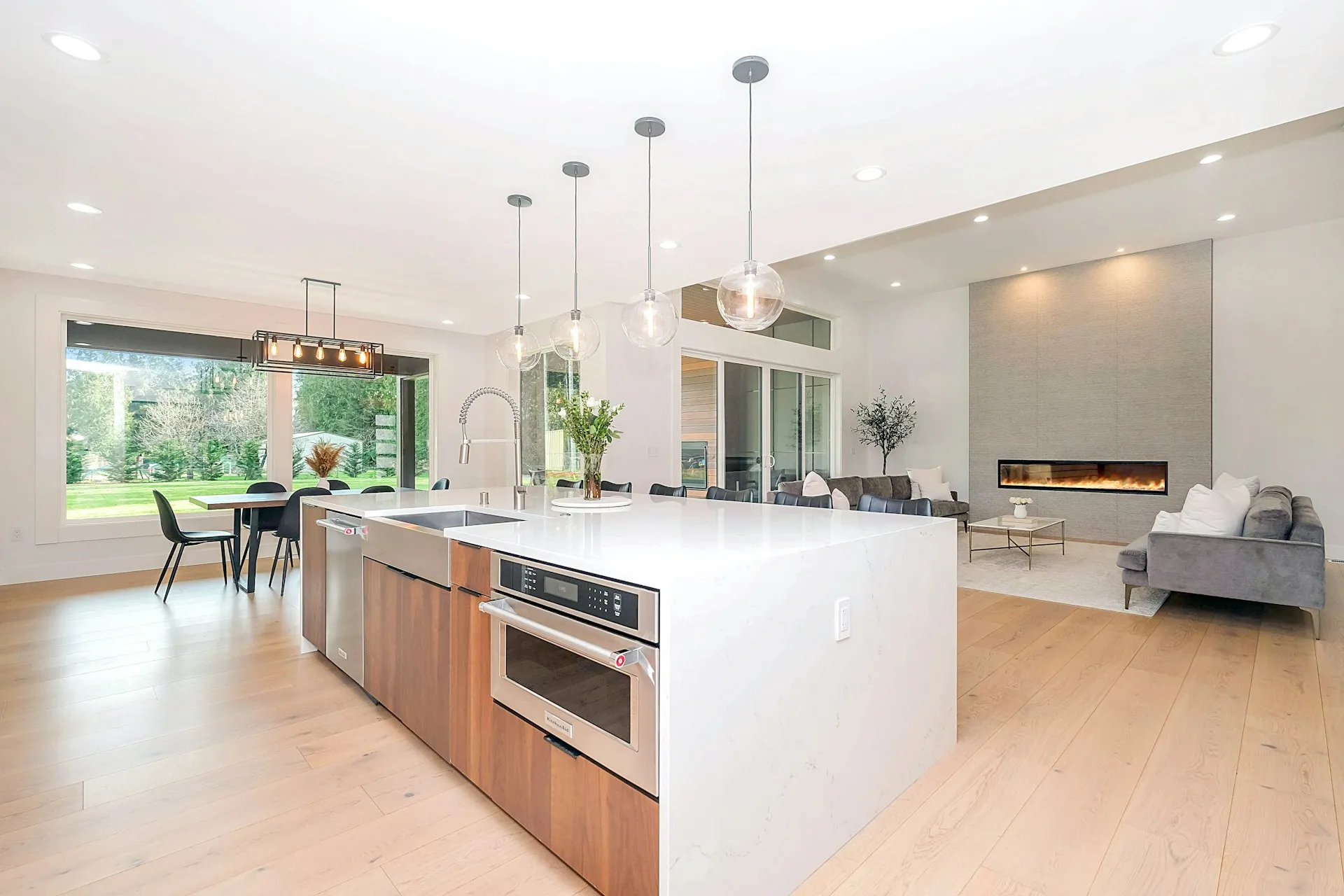
- The kitchen island or counter. One arrangement, low and wide, on a board or tray. It is the photo most buyers see first online, and a single fresh vase tells them the house is cared for. Keep the rest of the counter clear, as covered in the kitchen staging checklist.
- The dining table. Short enough that two people could see each other across it. Tall centerpieces block the room in a wide-angle shot.
- The entry console. A tall vase works here because nobody sits. It is the first thing a buyer in Montclair or Maplewood sees after the front door.
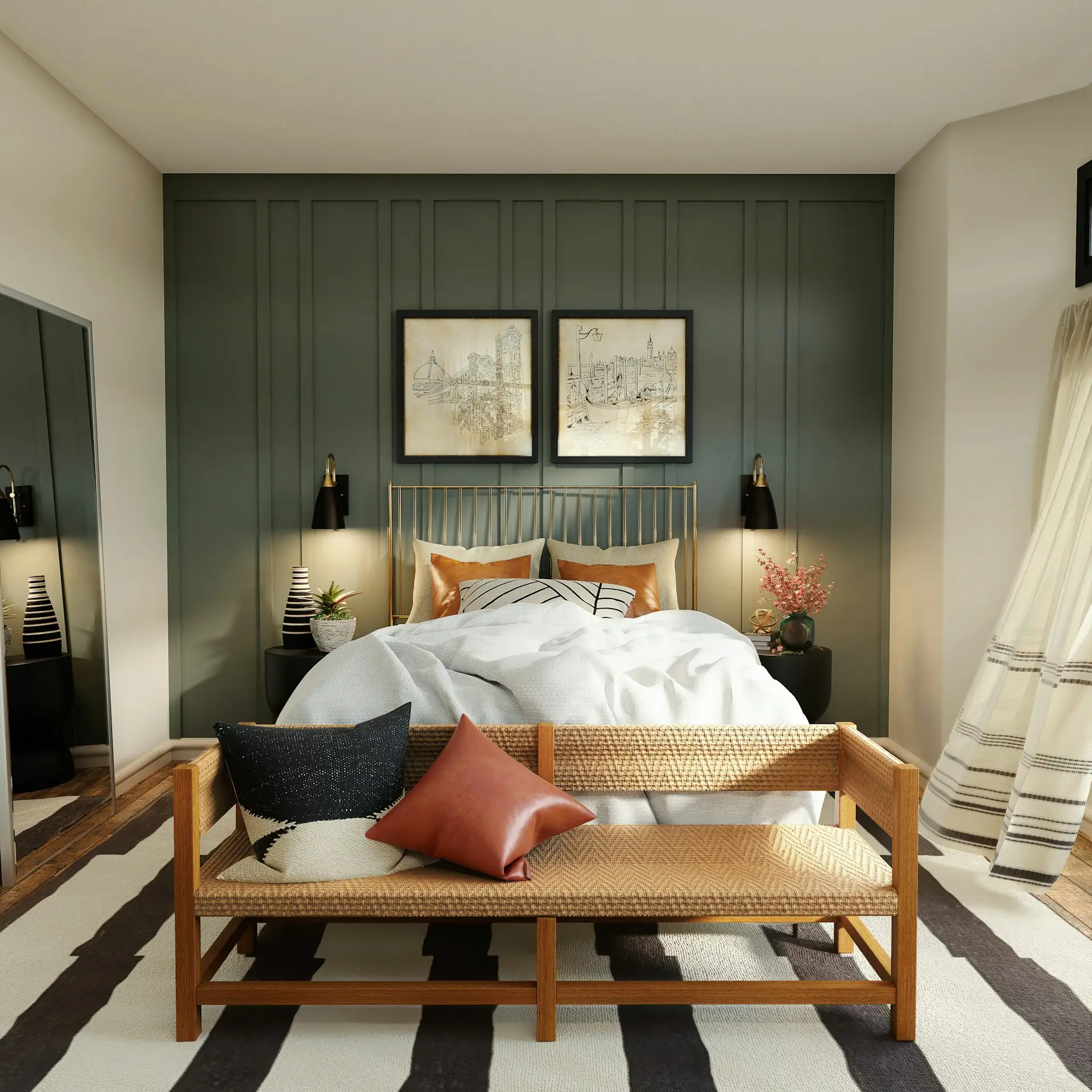
- The primary bedroom nightstand. A bud vase with three stems. Anything bigger competes with the bed, which is the point of the room.
- The primary bath. One small arrangement on the vanity, nothing scented. It softens tile and reads as a hotel.
Five rooms, five vases, and that is the limit. More than that and buyers start to notice the flowers instead of the house.
Jorge’s tip: Buy the flowers the morning of the photo shoot, not the week before. Sellers in Chatham and Cranford spend money on arrangements that are wilting by the time the photographer arrives. A dying vase in a listing photo does more harm than an empty table, because it tells buyers the home is tired before they have walked in.
Stock photograph used for illustration; not a client property
Choosing flowers that survive a week of showings
Once the house is live, the arrangements have to hold up between visits. Pick stems that last: alstroemeria, chrysanthemums, carnations, ranunculus and eucalyptus all go a week or more with fresh water. Skip anything with heavy scent during showings. Lilies and hyacinth can overwhelm a small Hoboken condo, and some buyers walk through with allergies they do not mention. Skip lilies for a second reason: the pollen stains quartz, marble and tablecloths, and you do not want to explain a rust-colored streak on the island you just had polished.
Keep arrangements away from the fruit bowl and off the top of the refrigerator. Ripening fruit and warm air both shorten a bouquet’s life. Recut the stems an inch every time you change the water. If a bloom goes, pull it the same day rather than waiting for the whole vase to turn. My guide to what a dying orchid tells a buyer applies here, and the answer is nothing good.
What flowers cannot do
A vase does not fix a problem. It should not sit in front of a water stain, and it should not be the thing you hope a buyer notices instead of the cracked tile behind it. Buyers in Millburn and Morristown hire inspectors, and known material defects have to be disclosed in New Jersey regardless of how nice the kitchen looked at the open house. Use flowers to finish a room that is already clean and repaired, the way the rule of three finishes a shelf.
For buyers: enjoy the flowers, then look past them
When you walk a staged house in Edison, Scotch Plains or Jersey City and every surface has a perfect arrangement, understand that the seller has been coached. Good for them. Then do what the flowers are designed to distract you from: open the cabinets, run the faucet, look at the floor under the vase and check the window sills for moisture. A seller who stages well is usually a seller who maintains well, but you confirm that with an inspection, not a bouquet.
Where this fits in listing prep
Flowers are the last thing in before photos, after the declutter, the cleaning and the repairs. Related guides:
- How pros hide clutter in plain sight
- Staging the entryway for NJ buyers
- A showing-day staging checklist
- Cozy staging that still photographs clean
Getting a NJ home ready for photos?
Jorge walks the house before the photographer comes and tells you which rooms need an arrangement, which need a repair, and which need nothing at all.
Book a Pre-Listing WalkthroughSeller ResourcesQuestions about flowers and staging a NJ home
Do fresh flowers actually help sell a house?
They help the photos and the first impression, which is where most buyers decide whether to book a showing. A single fresh, well-proportioned arrangement in the kitchen or entry signals a cared-for home. Flowers do not change the price a buyer is willing to pay for the house itself.
How tall should flowers be for a vase?
For a tall vase, the blooms should rise about one and a half times the vase height above the table. For a low, wide vessel, cut short so the heads sit just above the rim. Cut stems at an angle and strip leaves below the waterline so the arrangement holds up.
Which flowers last longest during showings?
Alstroemeria, chrysanthemums, carnations, ranunculus and eucalyptus commonly last a week or more with fresh water and a recut every other day. Avoid lilies, which drop staining pollen, and strongly scented stems that can bother buyers with allergies.
Should I use fake flowers instead?
Good silk stems photograph fine from a distance, but buyers touch things during showings and artificial flowers read as artificial up close. If you cannot keep fresh flowers alive for the listing period, use a healthy green plant or nothing at all.
Can flowers cover up an odor or a defect?
No. An arrangement in front of a stain or a scented bouquet masking a smell is a disclosure problem, not staging. In New Jersey, known material defects have to be disclosed. Fix the issue, find the odor’s source, and then add the flowers to a room that is already clean.
Sources reviewed October 2, 2026, including House Outlook’s guide to cutting flowers to fit any vase. Staging and maintenance suggestions are general guidance drawn from Jorge’s experience; disclose known defects as your agent and attorney advise.