The Paint Colors That Hurt Your Home’s Value (and What NJ Buyers Respond To)
Paint is the cheapest thing you can change before you list and the first thing a buyer reacts to. House Outlook’s experts named the colors that help and the colors that hurt. Here is the New Jersey version.
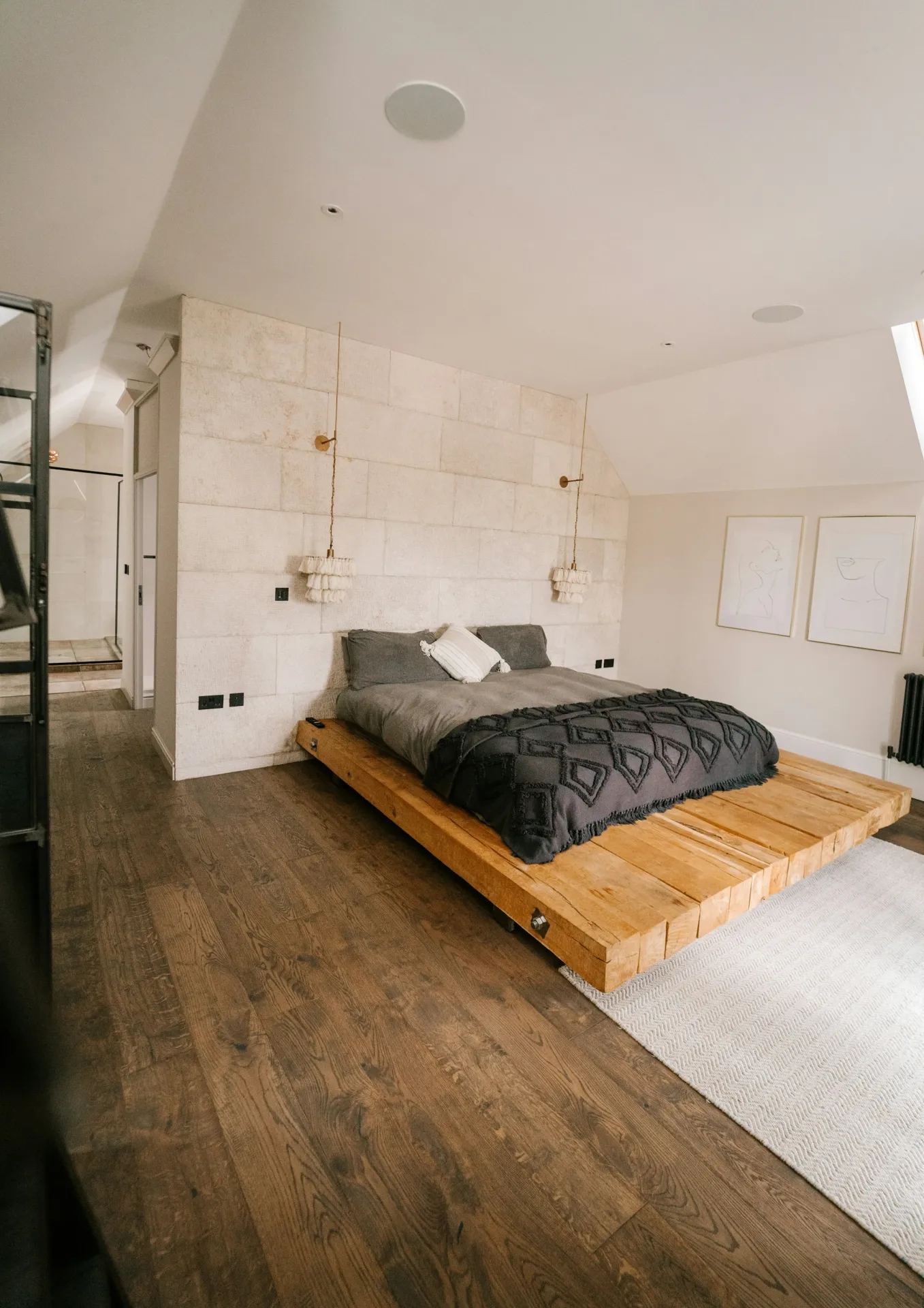
Stock photograph used for illustration; not a client property
What House Outlook’s experts said
House Outlook asked two industry experts a simple question: which interior paint colors sell homes faster, and which ones send buyers running. The short version matches what I see in New Jersey listings every week. Warm, low-saturation neutrals help. Dark, bright or dated colors hurt. The interesting part is why, and which rooms it matters in most.
Here is the version I use with sellers in Westfield, Cranford, Montclair and Morristown: rank the rooms, price the repaint, and spend where the photos are losing you money.
The colors that cost NJ sellers money
- Dark saturated walls in small rooms. Navy, charcoal and forest green look good online and terrible in a 10-by-11 bedroom in a Cranford colonial with one window. The photo reads as a cave.
- Bright kids’-room colors. Purple, hot pink, lime green and primary blue. The buyer sees a repaint, and someone else’s house.
- Early-2000s yellow-beige. Every room the same warm tan dates the kitchen and baths even when they are fine.
- Red or burgundy dining rooms. Common in older Summit and Millburn homes. It takes three coats to cover, and buyers know it.
- Stark, cold white in a north-facing room. A blue-white in a room with no direct sun photographs gray and feels unfinished.
- Glossy or dark ceilings. A dark ceiling lowers the room in photos and is almost always the first thing to paint out.
- Mismatched trim. Three different whites in one room make the space look dirty even when it is clean.
The colors that help
Warm white in the main living spaces. Soft greige where you want depth without darkness. Pale gray-green in a den or office. Muted blue in a bathroom. Every trim and door the same clean white through the whole house. None of these is exciting, and that is the point. A buyer in Edison or Woodbridge touring nine houses in a Saturday should be thinking about their own furniture, not your color. My guide to choosing a white paint before listing covers how to test in your actual light.
How to decide what to repaint, step by step
- Photograph every room with your phone, midday, lights on. The camera exaggerates dark and saturated color more than your eye does.
- Rank the rooms by damage. Living room, primary bedroom and kitchen first, because those are the photos buyers open. A bold powder room ranks last.
- Get a painter’s price for the top three rooms and for the whole house. The gap is often smaller than sellers expect, because setup and trim work are a big share of the cost either way.
- Test the new color on two walls in each room. One that gets sun, one that does not. Look at both at 10 a.m. and 6 p.m. before you commit.
- Fix the walls before you paint. Fresh paint over a damaged wall looks worse than old paint on a clean one. My nail-hole guide covers the patching.
Jorge’s tip: Do not repaint the one room a buyer will renovate anyway. A dated kitchen with wallpaper is a kitchen conversation, not a paint conversation. Spend the painter’s time on rooms that are otherwise finished, where color is the only thing between the buyer and a clean photo.
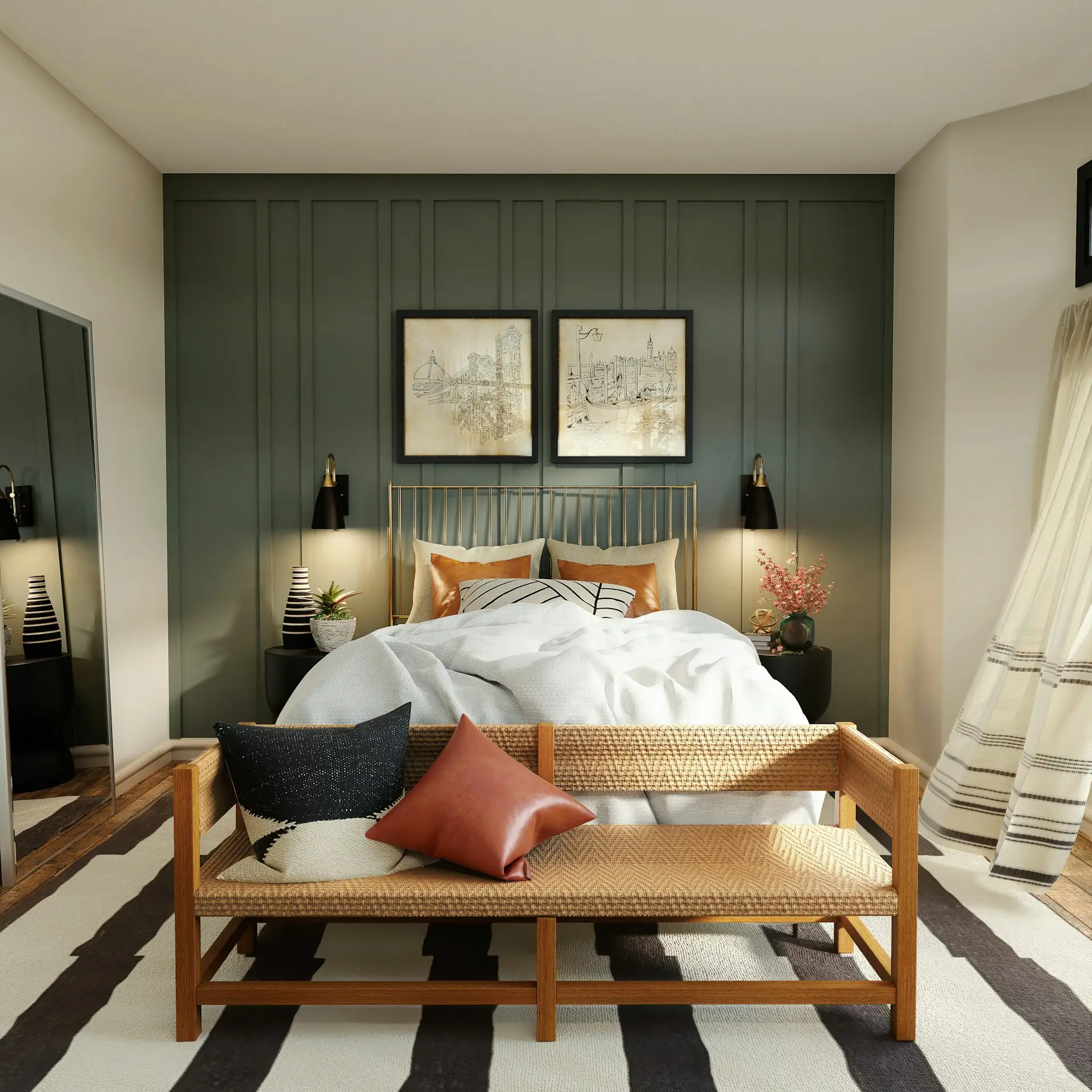
Stock photograph used for illustration; not a client property
Accent walls, trends and the “but it’s beautiful” problem
Sellers in Maplewood and South Orange push back here. The green board-and-batten wall was expensive and it is beautiful. Both can be true and it can still cost you in the photos. The test: is the room big, and does it get real light? If yes, one accent wall can stay. If the room is small or dim, paint it out. The same goes for 2026 trends like color-capping and the Pantone color of the year. Use them in styling, not on the walls, when the house is for sale.
For buyers: price the paint, then look past it
If you are touring in Hoboken, Jersey City or Scotch Plains and a house has a purple bedroom and a red dining room, good. Fewer people will love it at first sight, and paint is the cheapest thing you will ever change. Price the repaint into the offer like any other repair. What deserves attention is what the paint might be hiding. Fresh paint on one wall of a basement, a patch over a ceiling stain, or a single newly painted closet deserves a question during the inspection.
Where paint fits in listing prep
Paint comes after decluttering and repairs and before staging and photos. It does not change the assessment on a house in Union or Elizabeth, but it changes how many people click the listing. Related guides:
- The 3-4-5 rule for editing color and pattern before you list
- Design mistakes that turn NJ buyers off
- Affordable upgrades that matter to NJ buyers
- Which pre-sale projects are worth the money
Not sure which rooms need paint before you list?
Jorge walks the house, ranks the rooms by how much the color will cost you in the photos, and tells you where a repaint pays and where it does not.
Book a Pre-Listing WalkthroughSeller ResourcesQuestions about paint colors, repainting and selling a NJ home
Which paint colors hurt a home’s value the most?
In my experience the worst offenders are dark, saturated walls in small or north-facing rooms, bright primary colors in bedrooms, yellow-beige from the early 2000s, red or burgundy dining rooms, and glossy dark ceilings. None of them lowers an appraisal directly. They shrink the photos, date the house and give buyers a repainting number to subtract from the offer.
What paint colors help sell a house faster?
Warm whites, soft greige, pale gray-green and muted blue in bathrooms. The common thread is low saturation and warmth, so the rooms photograph bright without looking cold. Keep every trim and door the same white throughout the house so the rooms read as one place.
Should I repaint the whole house before listing my NJ home?
Usually not. Rank the rooms by how much the current color will cost you in the listing photos, then paint the two or three that lose the most, almost always the main living space, the primary bedroom and any room with a bold color. A whole-house repaint makes sense when the colors are inconsistent from room to room or the walls are marked up everywhere.
Are accent walls bad for resale?
A single accent wall in a large room with good light is fine and can photograph well. An accent wall in a small bedroom, a hallway or a room with one window makes the space feel shorter and darker. If you are unsure, paint it out. Buyers rarely miss an accent wall, and they often notice one.
As a buyer, should I walk away from a house because of the paint?
No. Paint is the cheapest fix in the house and the easiest to price. Get a painter’s number for the rooms you would change and treat it like any other repair when you write the offer. What you should not ignore is what the paint may be covering, so look closely at the walls and ceilings for patches, stains and fresh paint in only one spot.
Sources reviewed September 30, 2026, including the House Outlook piece on the paint colors that help and hurt a home sale. Color guidance is general advice drawn from Jorge’s experience with New Jersey listings, not a promise of a sale-price or timing outcome.