The Floor-to-Ceiling Curtain Trick That Makes NJ Rooms Look Taller in Listing Photos, and Where It Backfires
House Outlook’s newsletter this week linked a decorating piece on one of the oldest tricks in the book: hang the curtains at the ceiling, run them wall to wall, and let them fall to the floor. The room reads taller, softer and deeper. I have watched it work in listing photos of eight-foot-ceiling splits in Cranford and Clark and in Hoboken condos with big windows and low ceilings. It is cheap and reversible, which is exactly what a seller wants, as long as you know the three rooms where it should not go.

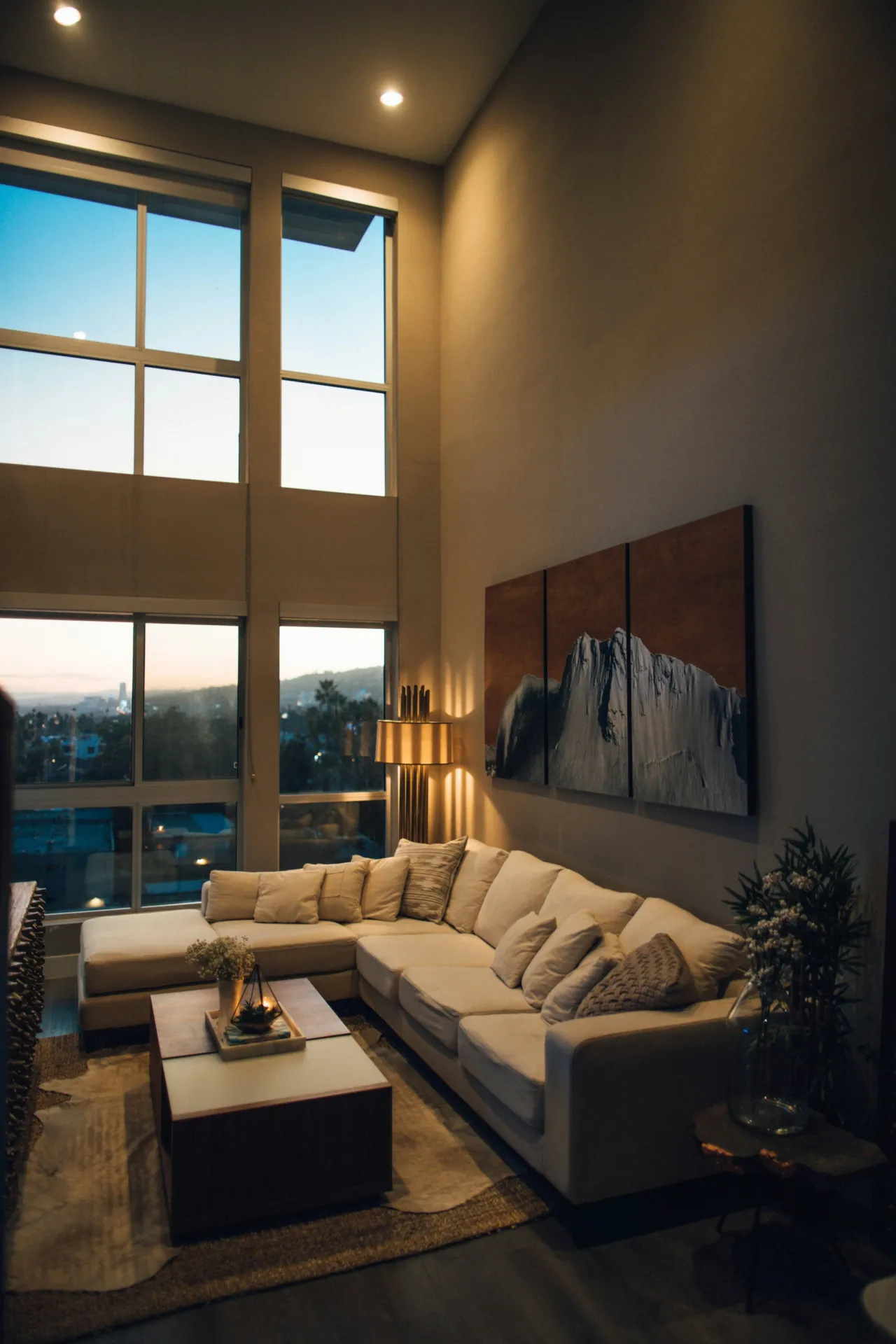
Stock photograph used for illustration; not a client property
The House Outlook idea
The piece makes a simple point. Most people mount a curtain rod a few inches above the window frame and buy panels that stop at the sill or just below it. That frames the window as a small box on the wall. Mount the rod just under the ceiling, extend it well past the frame on both sides, and use panels long enough to reach the floor, and the eye follows one unbroken vertical line. The window looks bigger, the wall looks taller, and the fabric adds the softness a bare room lacks.
Why it matters in a New Jersey listing
A large share of the houses I sell in Union and Middlesex County were built between 1950 and 1975, with eight-foot ceilings and windows that sit low on the wall. Splits in Scotch Plains and Clark, capes in Cranford and Edison, ranches in Springfield and Woodbridge. Buyers coming from a Jersey City or Hoboken rental with tall windows notice the ceiling height before they notice anything else. Nothing short of a renovation changes the ceiling. Curtains change what the eye believes about it, and they do it for the cost of a rod and two panels per window.
How to hang it for photos and showings
- Rod height. Mount the rod two to four inches below the ceiling or the crown molding, not above the window frame. If the room has crown, mount just under it so the trim stays visible.
- Rod width. Extend the rod eight to twelve inches past the frame on each side so the panels stack on the wall, not over the glass. The window photographs wider and the room gets every inch of daylight.
- Panel length. Panels should kiss the floor or stop a half inch above it. Pooled fabric reads as dust and pet hair in a showing, and too-short panels undo the whole effect.
- Fabric and color. Light linen or cotton in a color close to the wall. White on white is the safe default; a panel that matches the wall disappears into it and the height reads even taller.
- Fullness. Buy panels that total one and a half to two times the rod width so they hang in soft folds instead of lying flat. Steam them before photos. The linens and pressing guide covers the method.
- Open for showings. Tie or stack the panels fully to the wall before every appointment. The curtains are there to frame the window, not cover it.
Jorge’s tip: Use the same rod, finial and panel color in every room that gets them. One style through the house reads as a decision; four styles read as leftovers. Keep the paint color on file, because if the rods come with you, every bracket leaves two holes to patch and touch up.
Stock photograph used for illustration; not a client property
The three places it should not go
Over baseboard or radiator heat. Most of the older houses in Westfield, Summit and Montclair heat with hot-water baseboard or cast-iron radiators under the windows. A full-length panel draped over a radiator or a baseboard cover is a fire and scorch risk and blocks the heat buyers will feel for at the showing. Stop the panel at the top of the unit or use a shade on those windows instead.
In front of original trim. A 1920s colonial in Maplewood or Glen Ridge with deep casings, stained wood and divided-light sashes is selling that woodwork. Hiding it behind fabric trades a feature buyers pay for in those towns for an illusion they do not need.
Kitchens, bathrooms and sunrooms. Grease, steam and moisture ruin fabric fast, and a sunroom’s whole value is the glass. A clean roller shade does the job in those rooms.
For buyers: look behind the panels
Curtains hide things. Pull them aside at the showing and look at the sill, the lower sash and the wall below the window for soft wood, peeling paint and water staining. Feel for drafts. If you see condensation between the panes, that window has a failed seal. The window condensation and drafts and insulation guides explain what each one means and what it costs. Also ask early whether the rods and panels stay; in New Jersey the rods are usually treated as fixtures and the panels usually leave unless the contract says otherwise.
What this does for the sale
This does not raise an appraisal. It raises the number of buyers who click on the listing, and the number who walk into an eight-foot room and do not say “low ceilings” out loud. In a fall market where buyers in Morris and Essex County compare a dozen listings a night on their phones, the photo that reads taller gets the showing.
Related guides
- The rule of three in listing photos
- The lighting mistake that makes rooms feel cold
- Curtains, rugs and door seals that quiet a house before showings
Listing a NJ home this fall?
Jorge walks every room with you before the photographer, window by window, so the cheap fixes are done and the expensive ones are skipped.
Book a Pre-Listing WalkthroughSeller ResourcesQuestions about curtains, ceiling height and listing photos
Will floor-to-ceiling curtains raise my sale price?
No, and nobody honest will tell you they do. They change how tall and bright a room reads in photos and at a showing, which affects how many buyers come through. Price is set by the house, the comparable sales and the market.
How high should I mount the curtain rod?
Two to four inches below the ceiling, or just under the crown molding if the room has it, and eight to twelve inches past the window frame on each side. Panels should touch the floor or stop a half inch above it.
Do curtains and rods stay with the house in New Jersey?
Rods and brackets are usually treated as fixtures that stay; fabric panels usually leave with the seller. Contracts vary, so list what stays and what goes in writing and confirm it with your attorney during attorney review.
Can I hang long curtains over baseboard heat or a radiator?
Do not drape fabric over a heat source. Stop the panel above the baseboard cover or radiator, or use a shade on that window. It is a scorch risk, it blocks the heat, and an inspector or buyer will notice.
Should the curtains be open or closed for photos and showings?
Open, stacked fully onto the wall beside the frame, in every room, every time. The panels are there to frame the window and add height. Closed curtains make a room darker and smaller, which is the opposite of the point.
Sources reviewed October 19, 2026, including the House Outlook newsletter item on wall-to-wall, floor-to-ceiling curtains. Staging suggestions are general guidance drawn from Jorge’s experience; keep fabric clear of heat sources, follow the hardware manufacturer’s instructions, and confirm what stays with the house with your attorney.